YORUNEKO夜猫
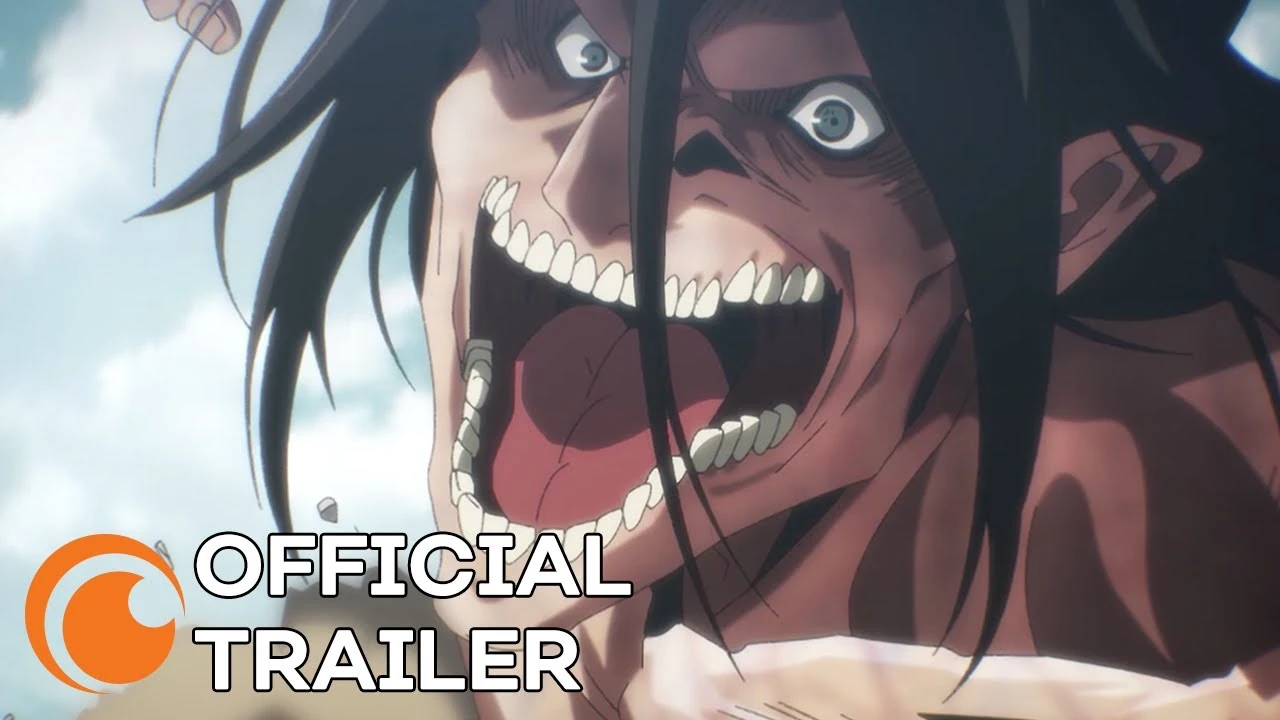
Eren in an Attack on Titan The Final Season image representing anime that changed studios
Listas e Curiosidades

10 anime that changed studios between seasons — and what changed

From Attack on Titan to Blue Exorcist, ten anime that changed studios between seasons and came back with noticeable differences in design, color or motion.

Central de Exorcist
Francine Por Francine Publicado em 12 de agosto de 2026 8 min de leitura
Compartilhar W f X

When an anime changes studios, the first instinct is usually to compare the drawings. But a visible shift is almost never explained by the company name alone. Direction, character design, individual animators, photography, compositing, production schedule and even the kind of story arc being adapted can all change how a season looks and moves.

This list focuses on ten series that switched studios between major installments and came back with noticeable visual differences. It is not a best-to-worst ranking. The point is to look at changes a viewer can actually see in faces, linework, color, motion, effects or composition, while avoiding the easy assumption that every improvement or problem was automatically caused by the new studio.
Neste artigo
  1. 1Attack on Titan
  2. 2One-Punch Man
  3. 3Vinland Saga
  4. 4My Teen Romantic Comedy SNAFU
  5. 5High School DxD
  6. 6The Devil Is a Part-Timer!
  7. 7To Your Eternity
  8. 8Date A Live
  9. 9Log Horizon
  10. 10Blue Exorcist
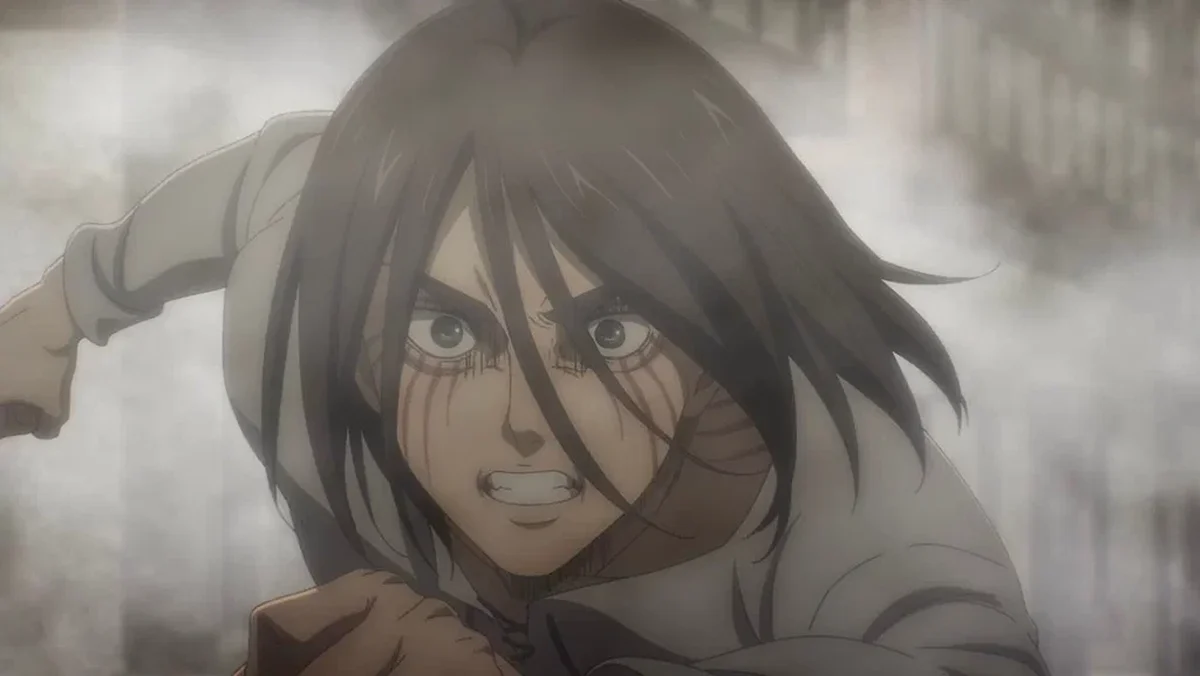
1 Eren in an Attack on Titan The Final Season scene produced by MAPPA
1

Attack on Titan

WIT Studio → MAPPA

WIT Studio produced the first three seasons before MAPPA took over The Final Season, bringing a different finish alongside a new story phase.

It is one of the clearest cases because a studio handoff and a new visual language arrive together.

What changes: The time skip and Marley arc also account for part of the new look, not MAPPA alone.

WIT Studio → MAPPAStudio change
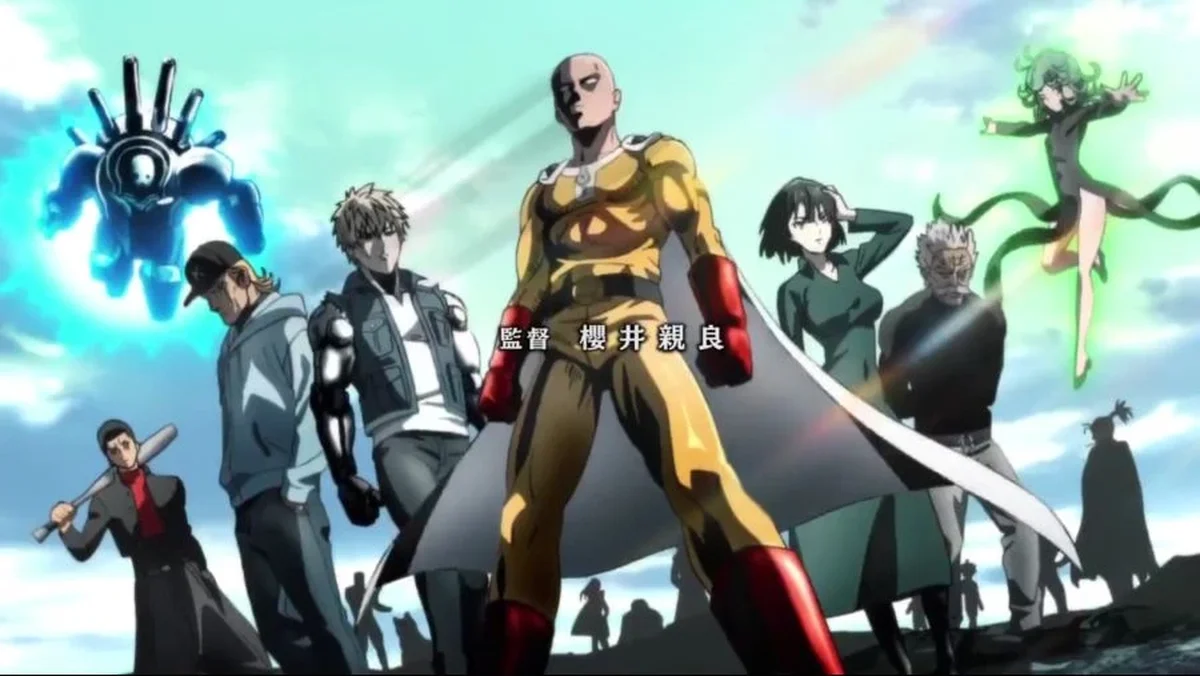
2 Saitama in the second-season One-Punch Man look produced by J.C.Staff
2

One-Punch Man

Madhouse → J.C.Staff

Madhouse produced season one and J.C.Staff season two; the handoff is especially visible in action timing, compositing and overall texture.

The difference in action impact is visible enough to make this a recurring reference point in studio-change discussions.

What changes: Direction, staff and schedule changed along with the studio.

Madhouse → J.C.StaffStudio change
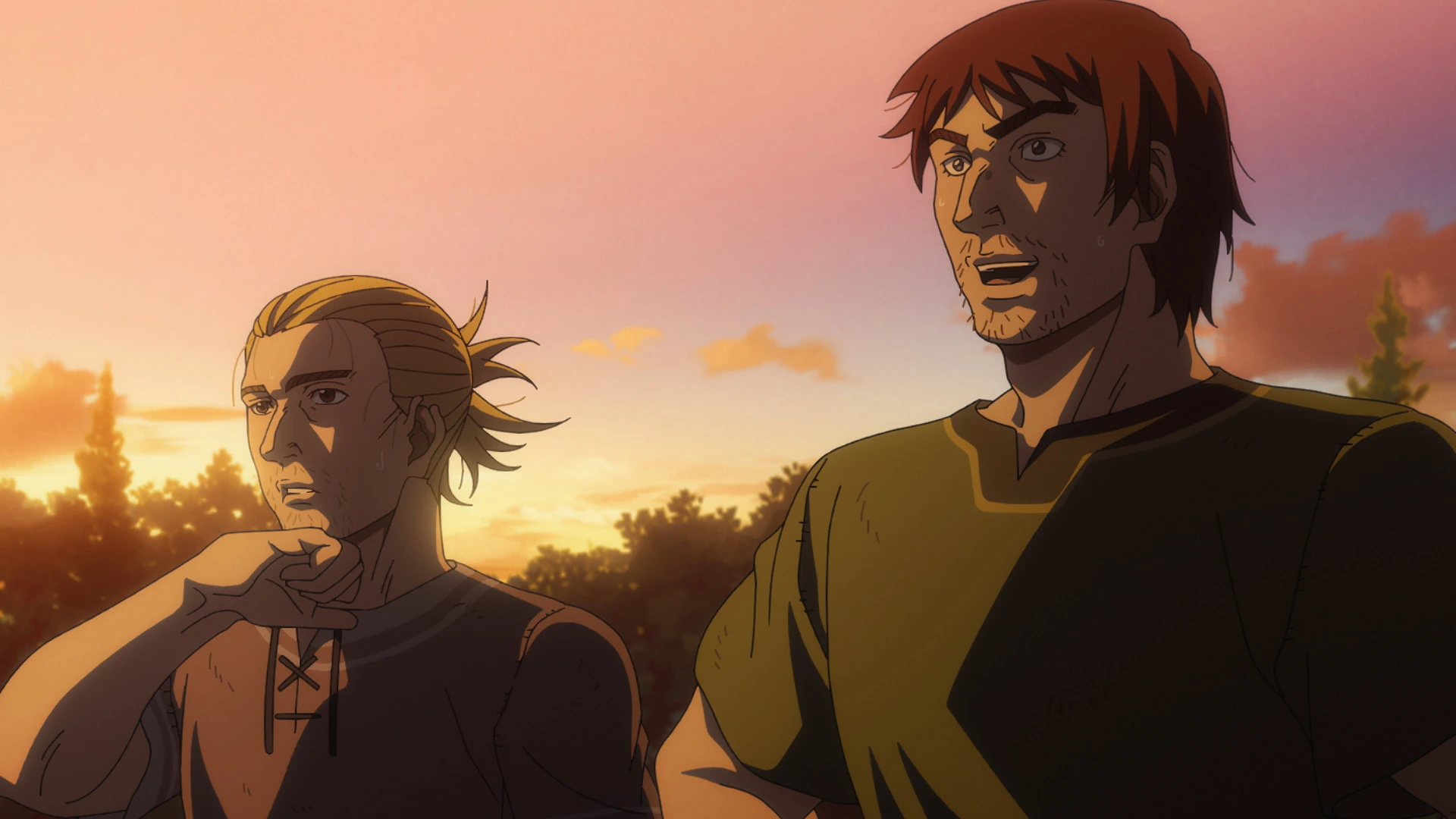
3 Thorfinn in Vinland Saga Season 2 during the MAPPA production era
3

Vinland Saga

WIT Studio → MAPPA

Vinland Saga moved from WIT Studio to MAPPA while keeping Shuhei Yabuta and strong creative continuity, making this a subtler transition.

It shows that a studio switch can preserve strong continuity when key creative staff stay with the project.

What changes: The farm arc demands a different visual rhythm and explains part of the shift.

WIT Studio → MAPPAStudio change
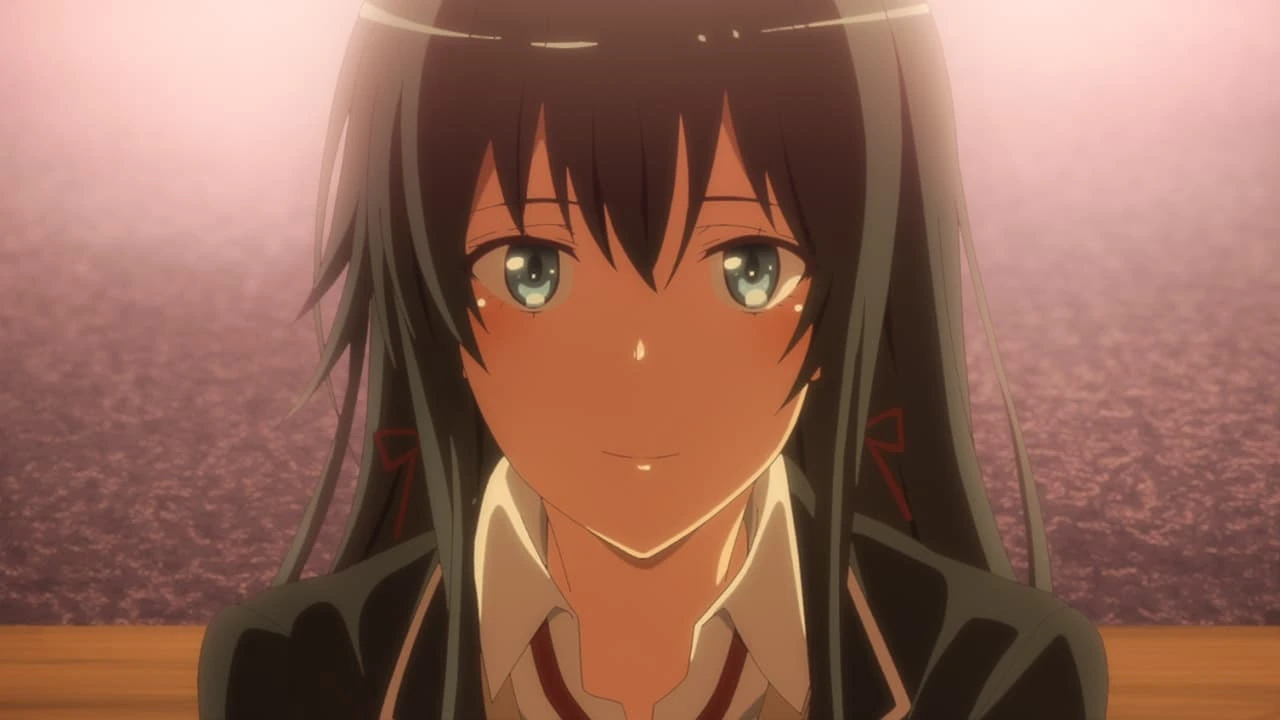
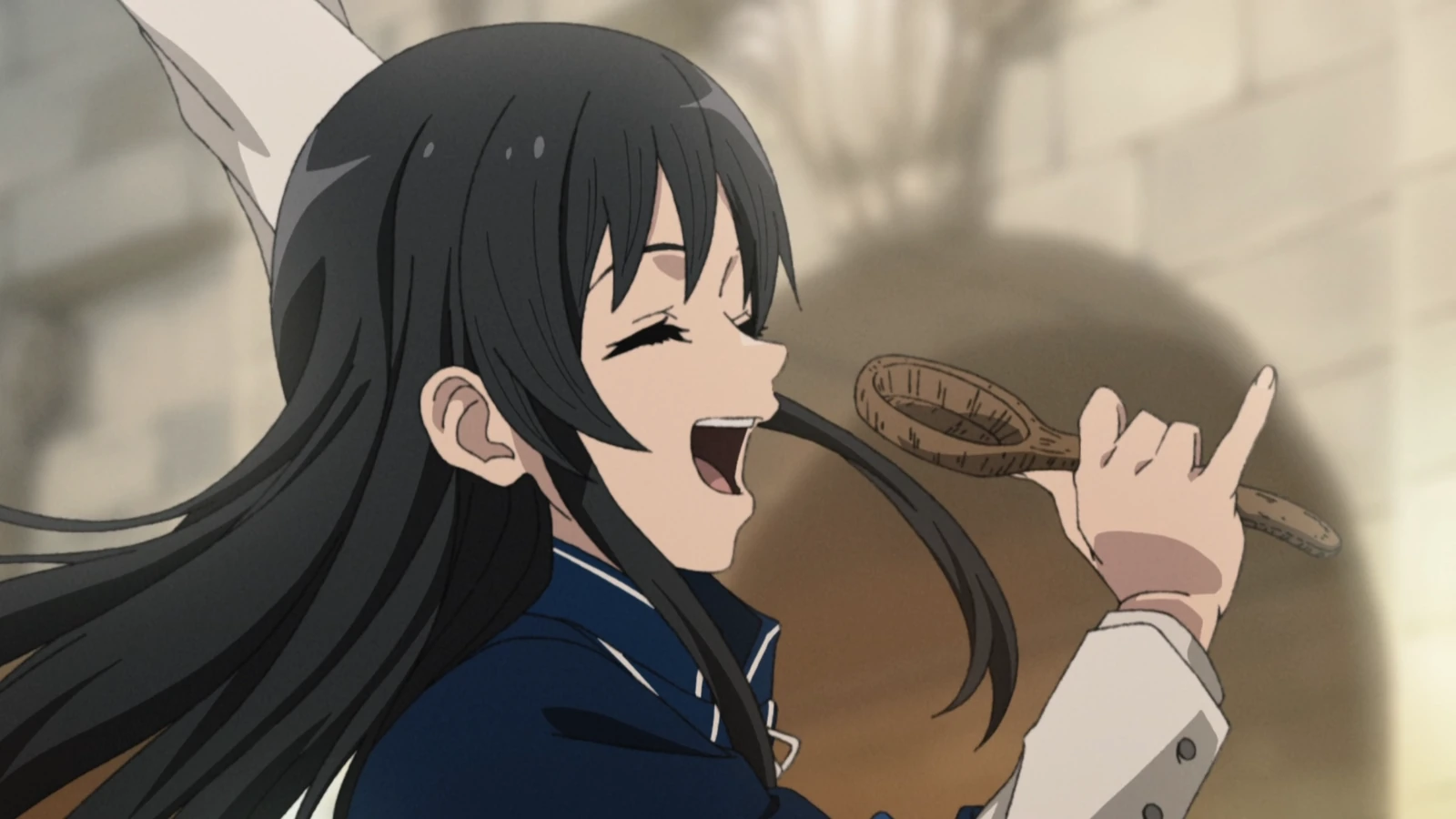
4 Yukino in an official My Teen Romantic Comedy SNAFU frame produced by feel.
4

My Teen Romantic Comedy SNAFU

Brain's Base → feel.

Season one was made by Brain's Base and the series moved to feel. for SNAFU TOO!, with immediately noticeable changes to faces and proportions.

The character-design change is visible even in quiet dialogue scenes.

What changes: The new look also matches a more dramatic and introspective second season.

Brain's Base → feel.Studio change
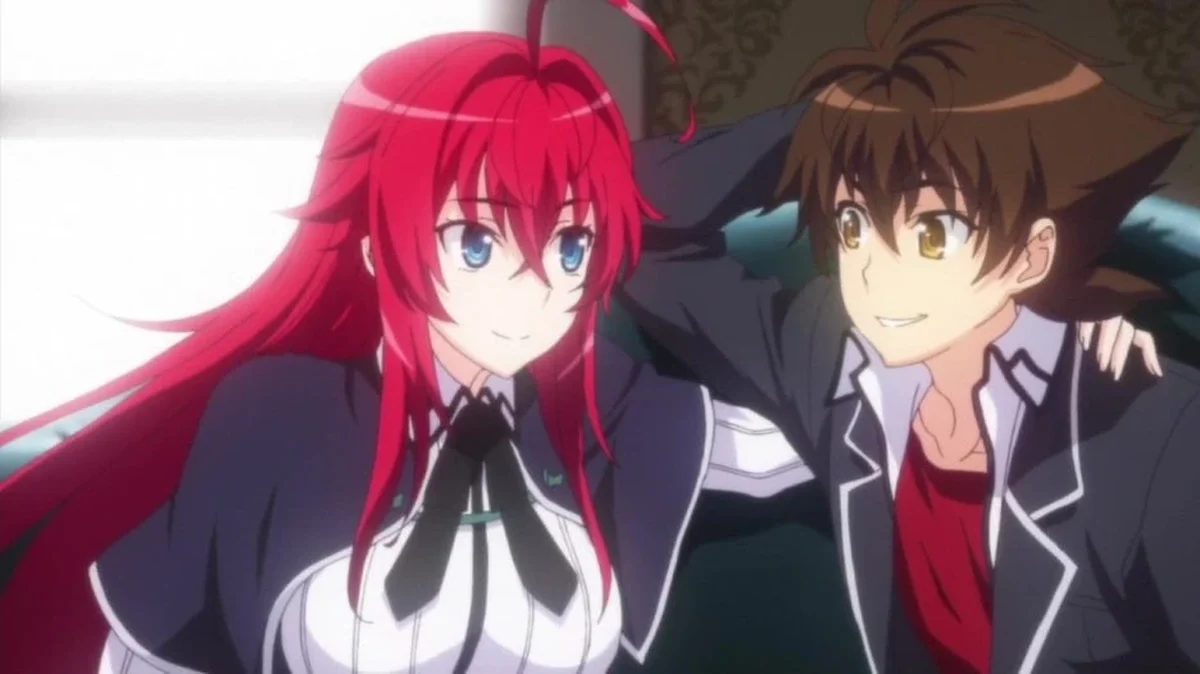
5 Rias and Issei in High School DxD Hero character designs produced by Passione
5

High School DxD

TNK → Passione

TNK produced the first three seasons; Hero moved to Passione with Makoto Uno as the new character designer.

The new character designs make the handoff immediately obvious and connect it to a deliberate aesthetic choice.

What changes: The character-designer change matters as much as the studio handoff.

TNK → PassioneStudio change
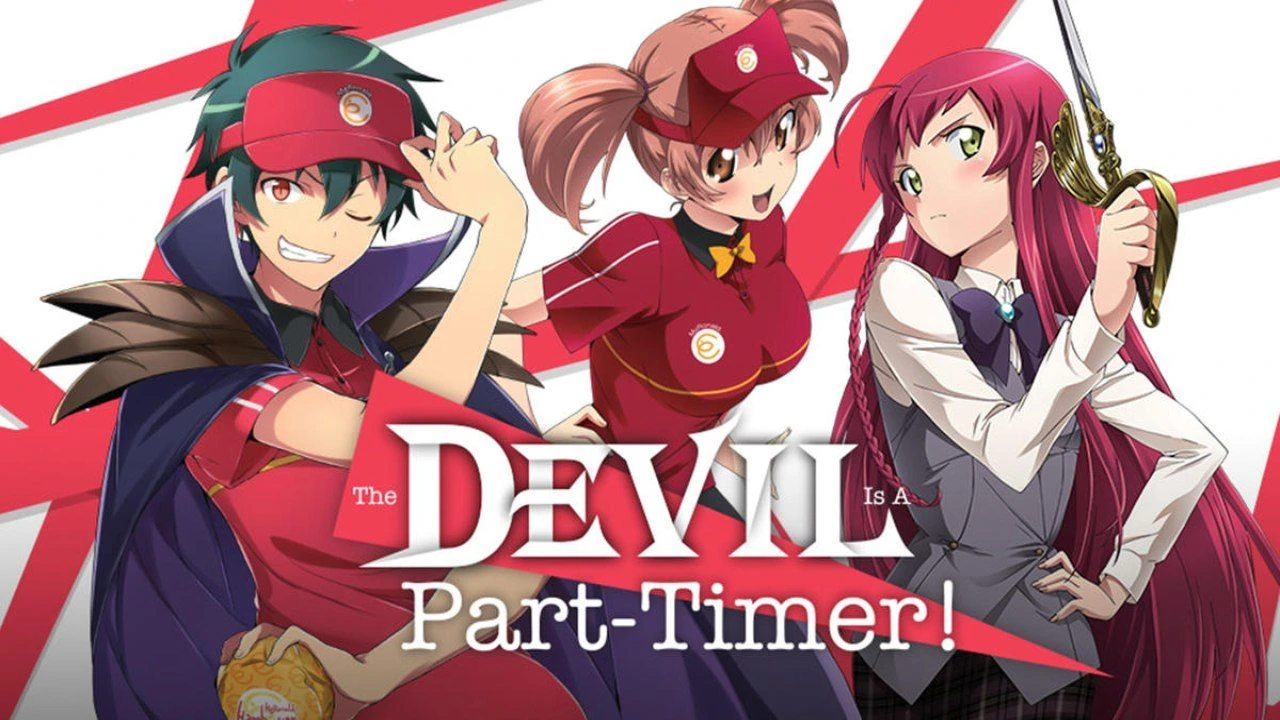
6 Maou and the cast in The Devil Is a Part-Timer season two Studio 3Hz look
6

The Devil Is a Part-Timer!

White Fox → Studio 3Hz

White Fox made the 2013 season and Studio 3Hz handled the return almost nine years later with softer faces and a brighter palette.

The long gap and new studio create an easy-to-recognize before-and-after contrast.

What changes: The nearly nine-year gap also changes tools, staff and production norms.

White Fox → Studio 3HzStudio change
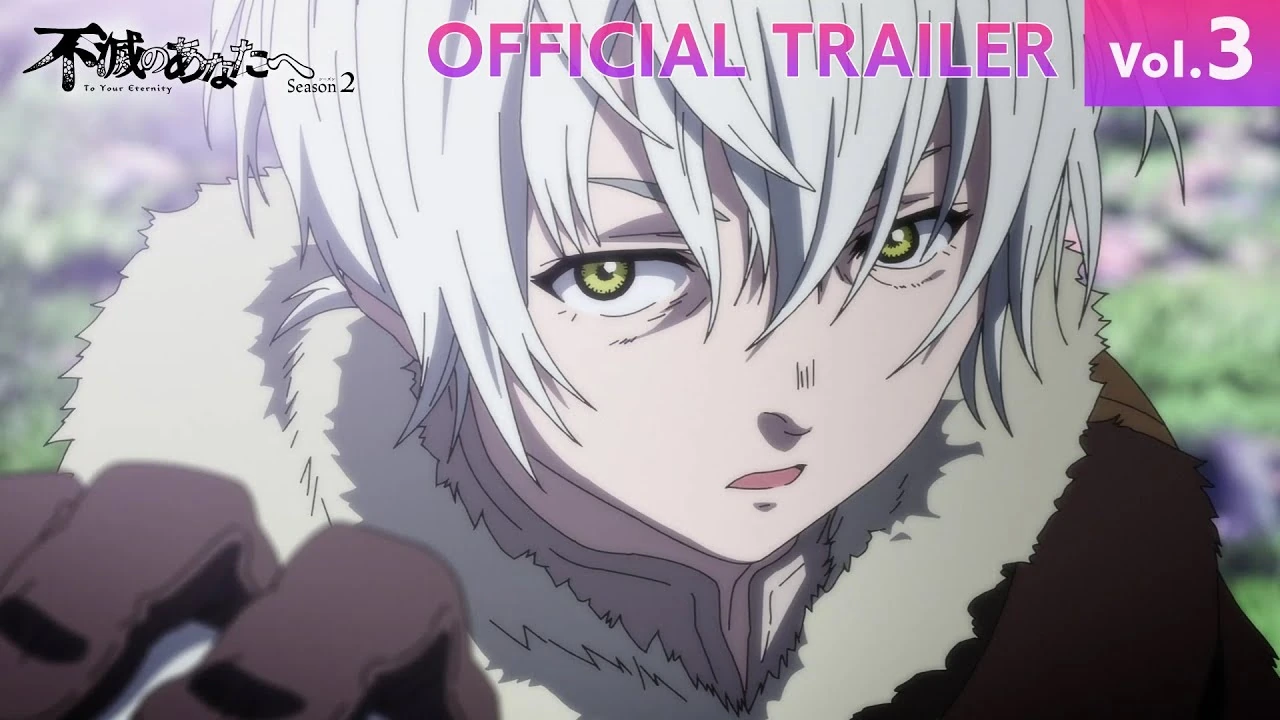
7 Fushi in To Your Eternity season two produced by Drive
7

To Your Eternity

Brain's Base → Drive

Brain's Base produced season one and Drive took season two alongside a director change; the identity remains, but the production texture shifts.

It adds a useful case where the shift is more about consistency and execution than a complete redesign.

What changes: There is no total redesign; the difference is more visible in execution.

Brain's Base → DriveStudio change
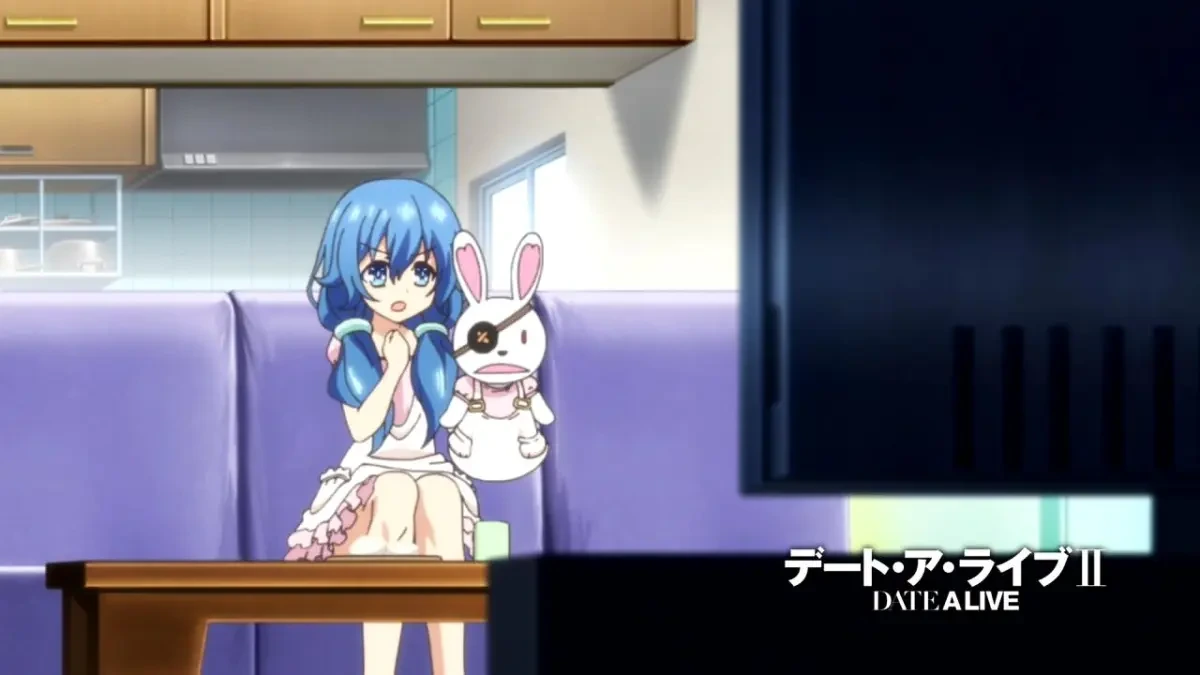
8 Date A Live II characters during the Production IMS era
8

Date A Live

AIC Plus+ → Production IMS → J.C.Staff → Geek Toys

Date A Live moved through AIC Plus+, Production IMS, J.C.Staff and Geek Toys while keeping one main television continuity.

It is the clearest example of multiple studio transfers inside one continuing TV adaptation.

What changes: The intensity of each transition varies because some staff continuity remained between certain seasons.

AIC Plus+ → Production IMS → J.C.Staff → Geek ToysStudio change
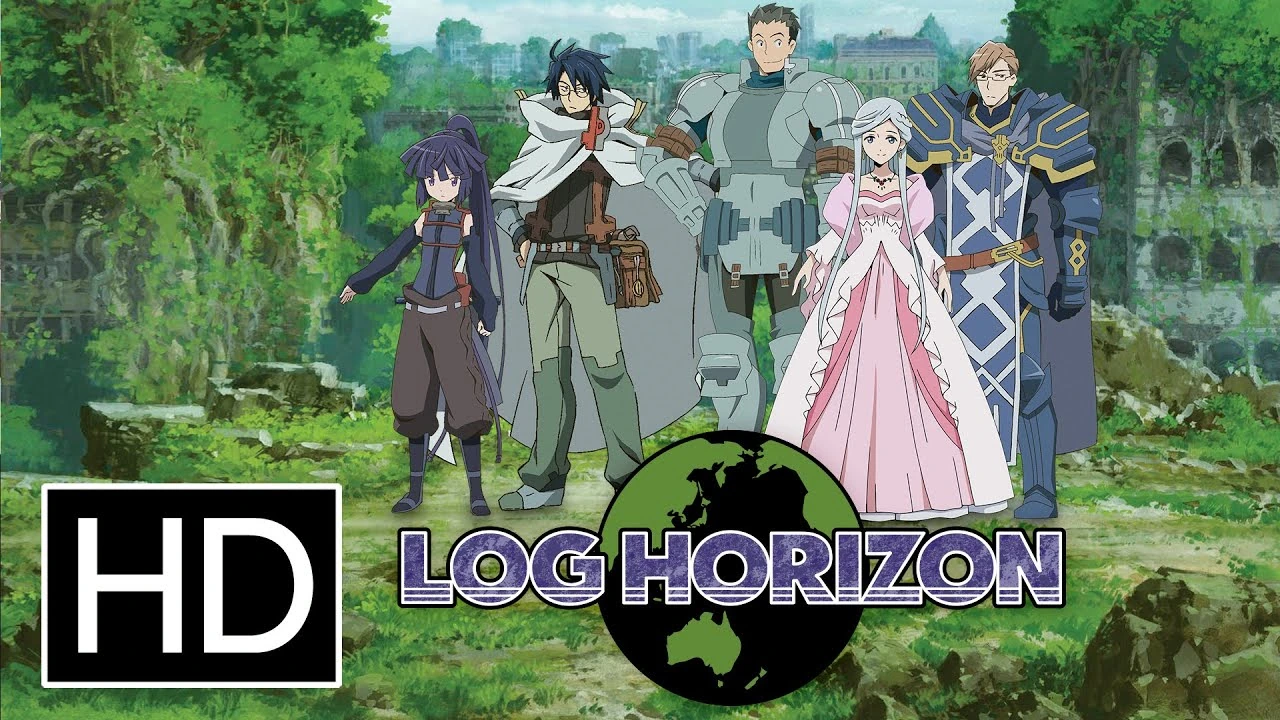
9 Shiroe and the Log Horizon cast during Studio Deen production era
9

Log Horizon

Satelight → Studio Deen

Satelight produced season one and Studio Deen took over season two, with noticeable changes to faces, proportions and costume rendering.

Because the show relies on faces, costumes and group shots, modest design changes remain exposed.

What changes: The contrast is stronger in design and finish than in a completely new action language.

Satelight → Studio DeenStudio change
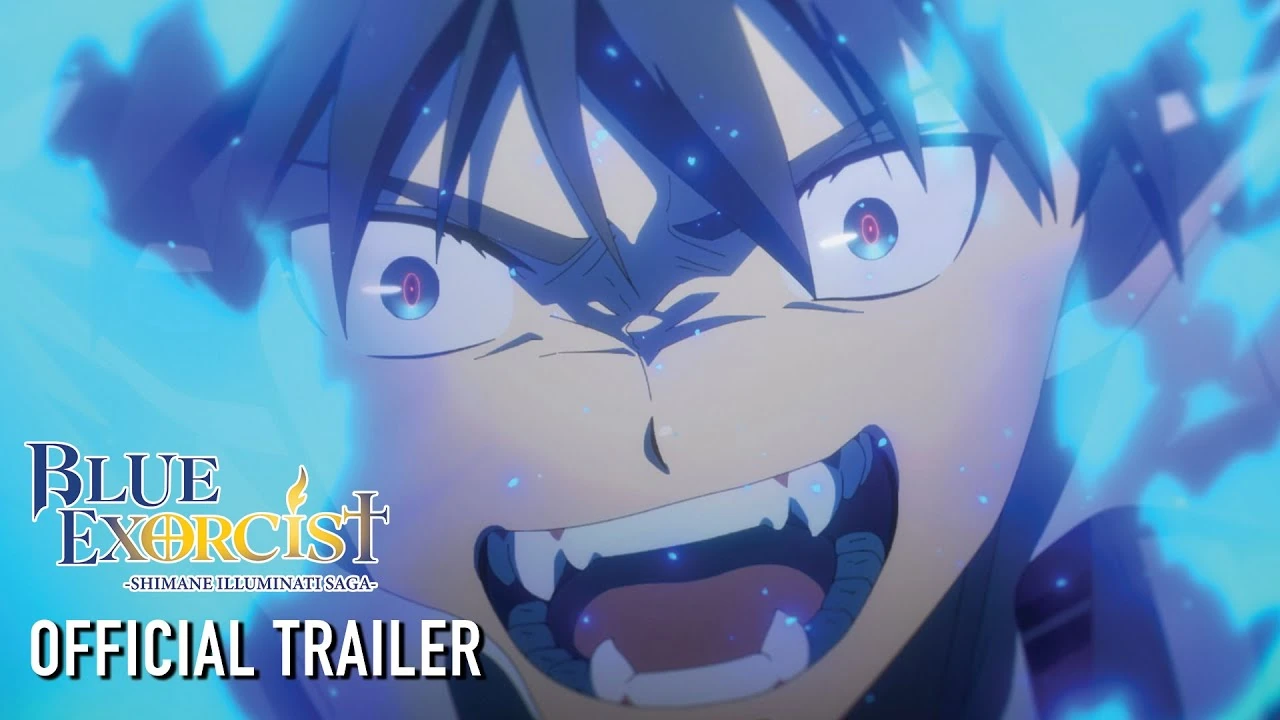
10 Rin Okumura in Blue Exorcist Shimane Illuminati Saga produced by Studio VOLN
10

Blue Exorcist

A-1 Pictures → Studio VOLN

A-1 Pictures handled the earlier major installments before Studio VOLN took over Shimane Illuminati Saga with a cleaner updated finish.

VOLN marks a new phase with visible updates while keeping the franchise recognizable.

What changes: The long break and refreshed character design also contribute to the difference.

A-1 Pictures → Studio VOLNStudio change

These ten cases show why the studio credit is only the beginning of the discussion. Attack on Titan changed company and visual language alongside its story; Vinland Saga changed company while preserving unusually strong staff continuity; High School DxD embraced an obvious redesign; and Date A Live proved that a franchise can survive several consecutive handoffs.

So when two seasons look different, it is worth looking beyond the logo in the credits. Director, character designer, individual animators, available time and the kind of arc being adapted can matter just as much as the studio itself. The handoff is the starting point; the image on screen is the result of all those decisions working together.

Francine

Francine — Yoruneko Editorial

Maratonista de animes de ação e viciada em desvendar sistemas de poder complexos. Se o roteiro mistura fantasia urbana e combate shinobi de elite, a Francine com certeza passou a noite em claro analisando cada episódio.

View all articles →