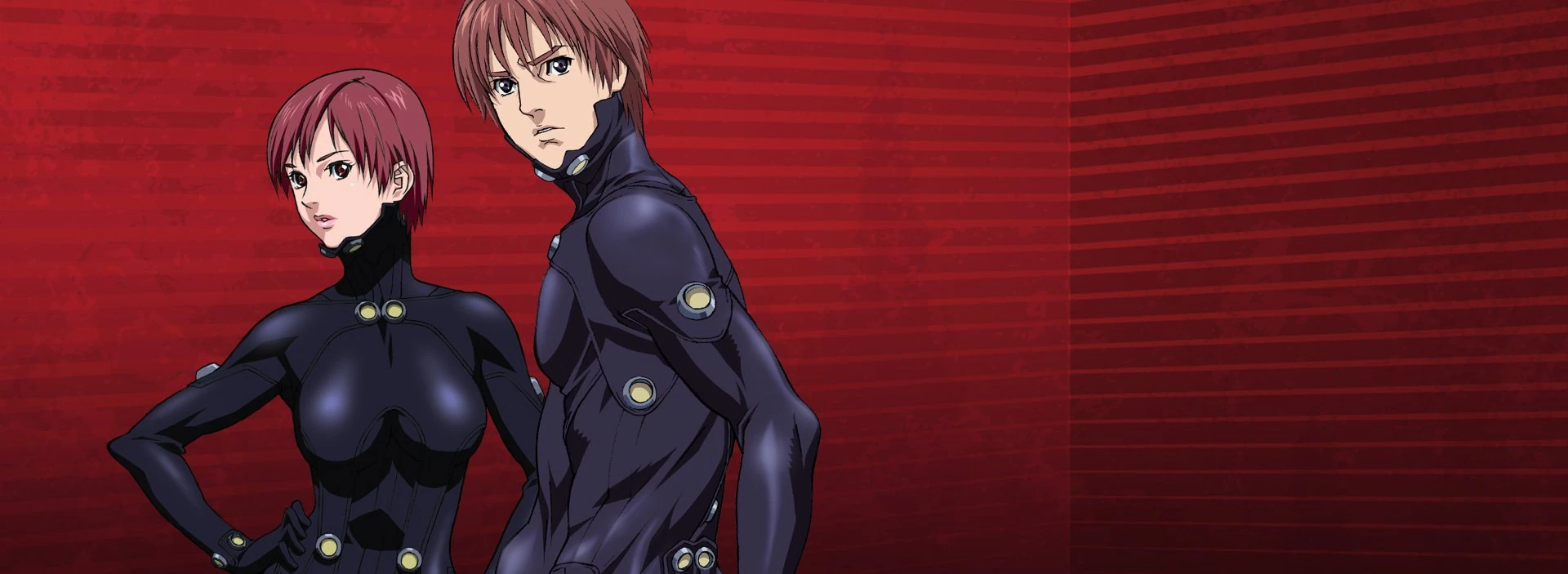
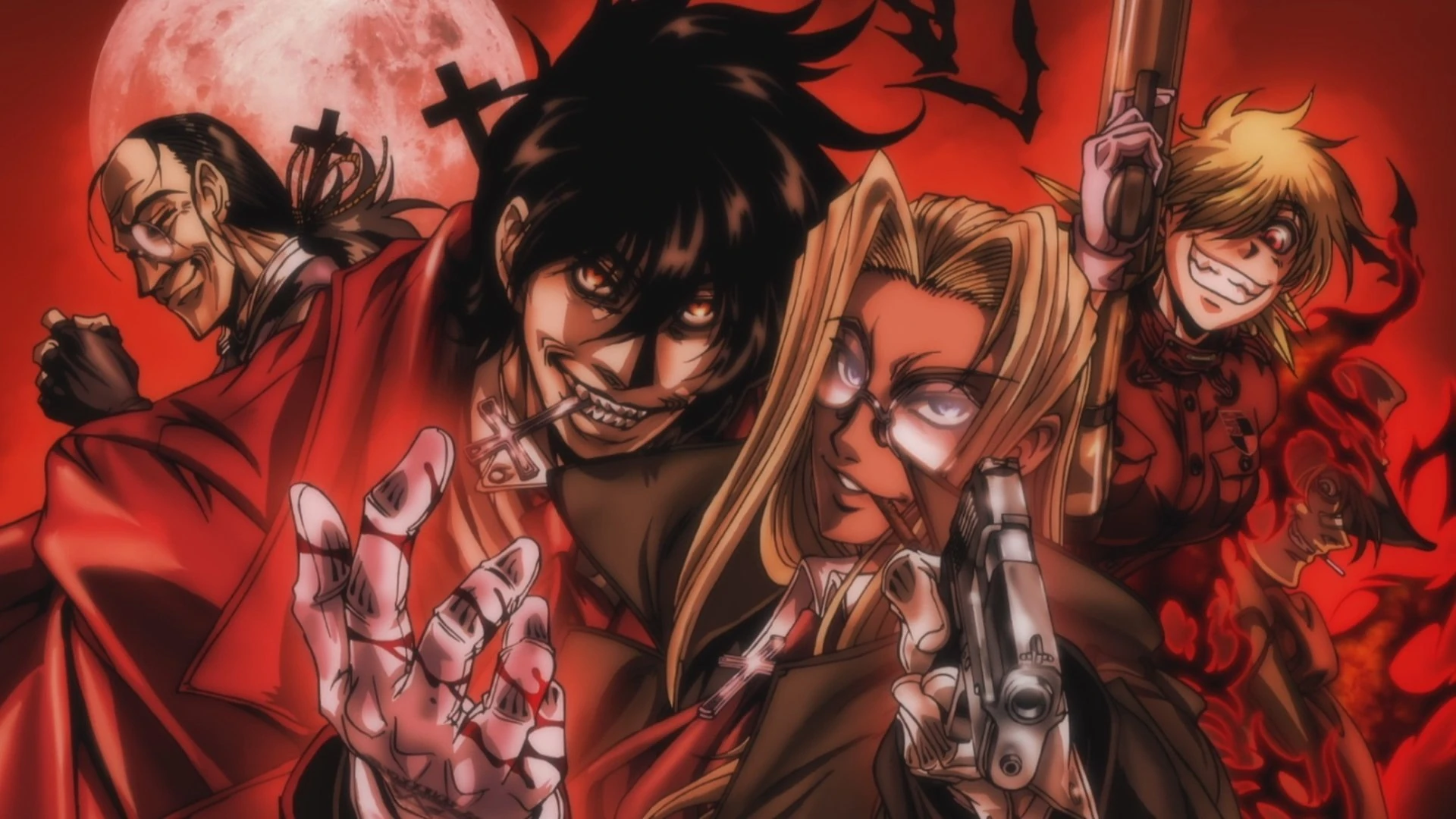
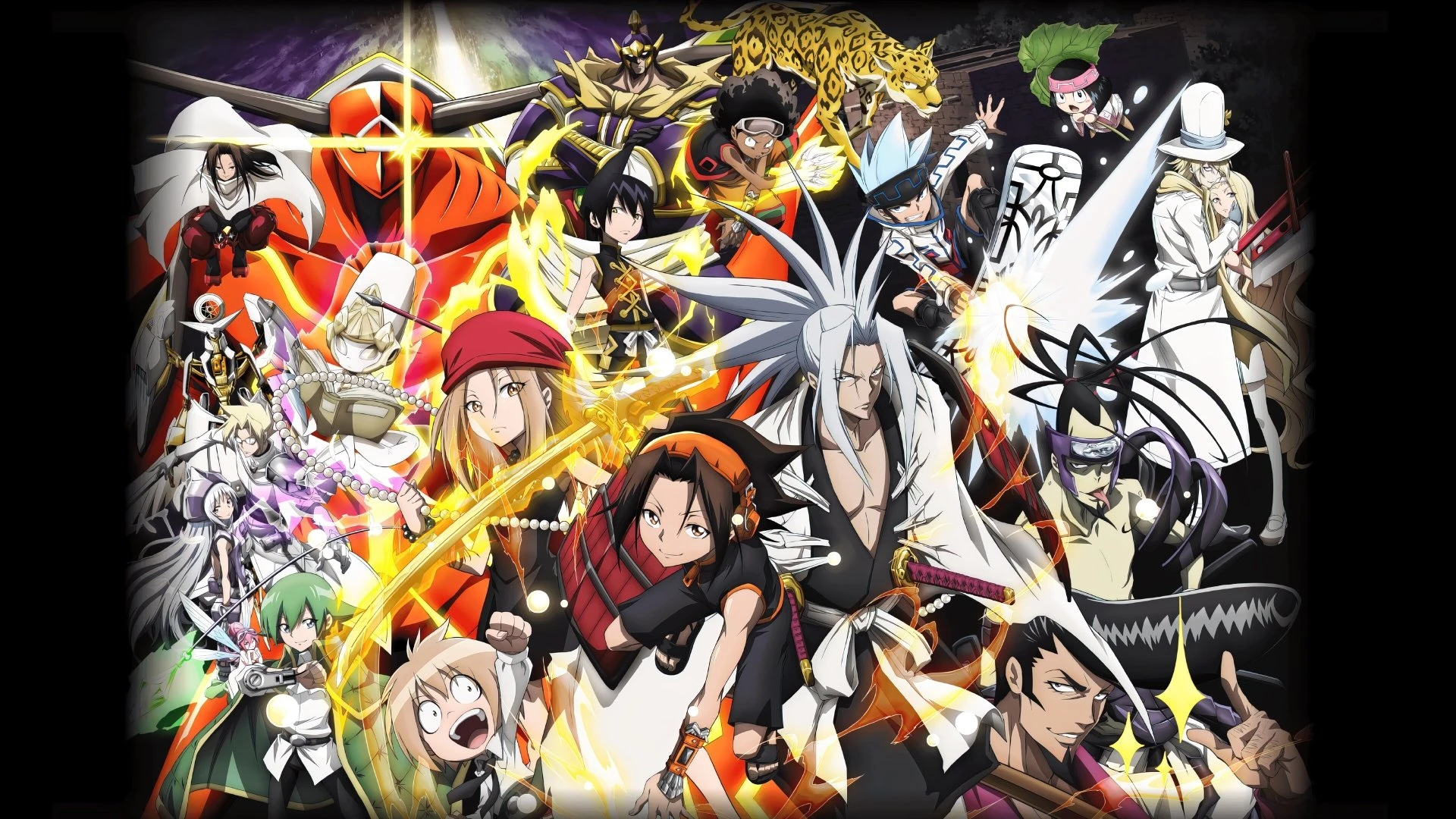
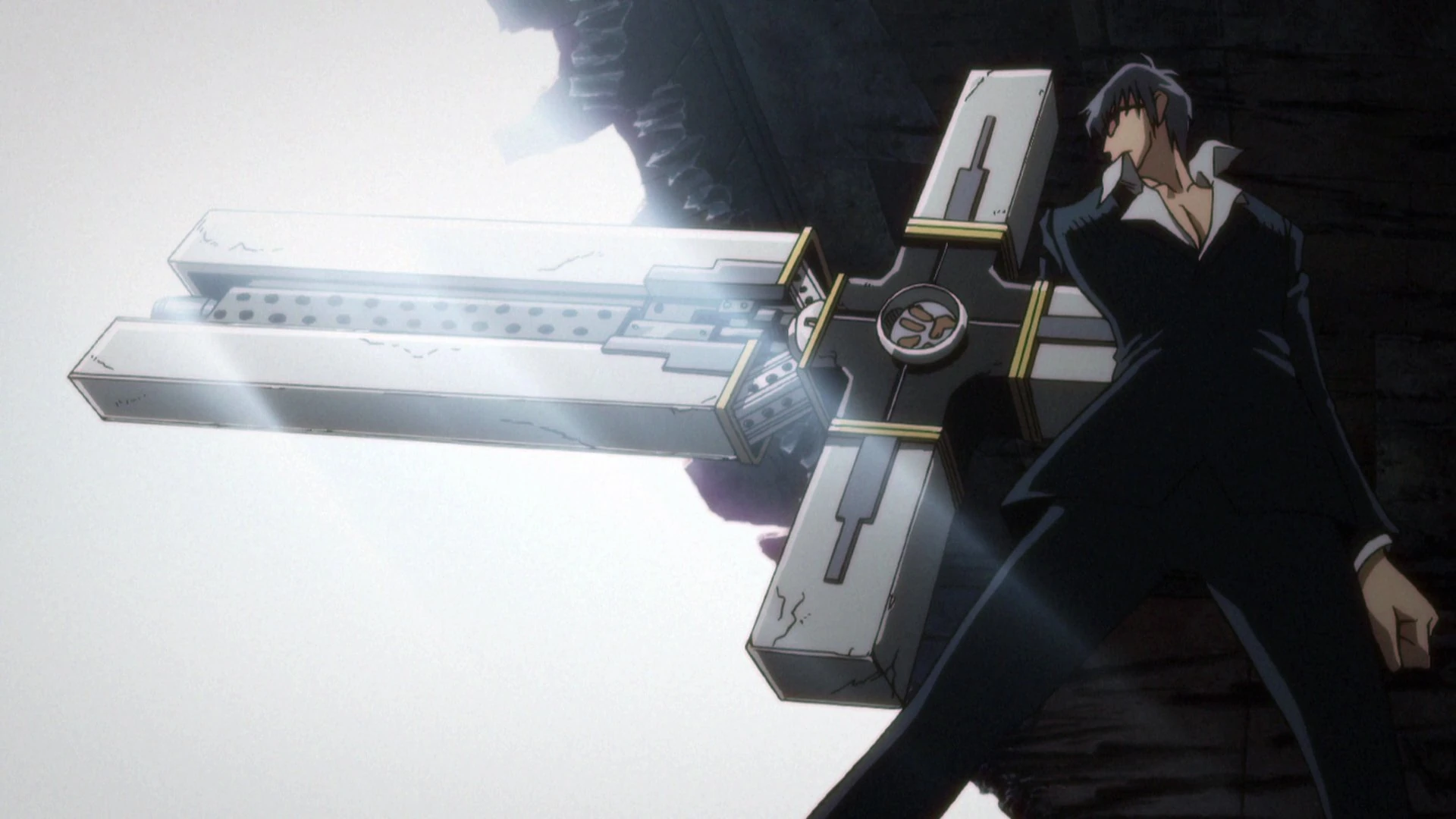
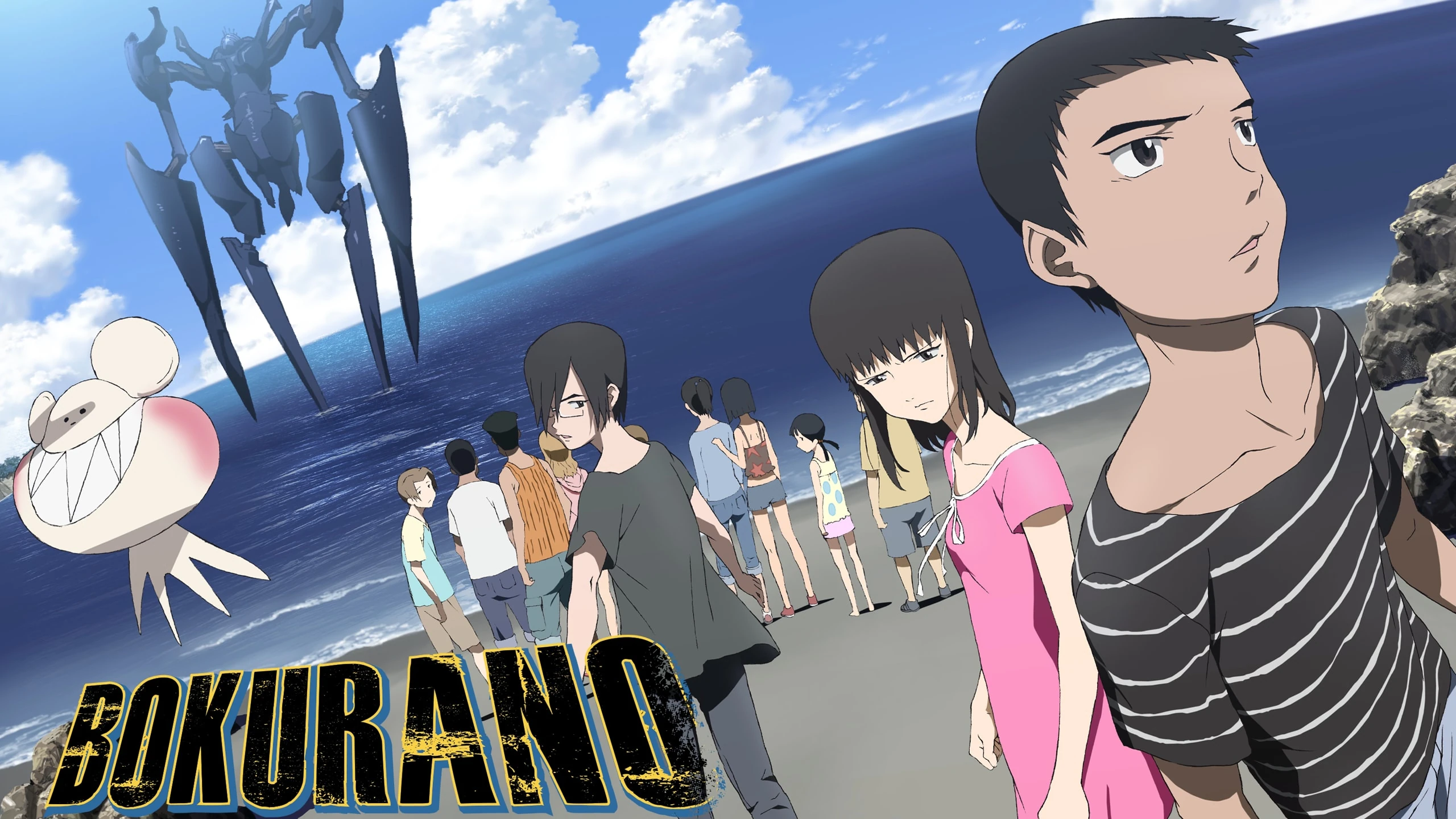
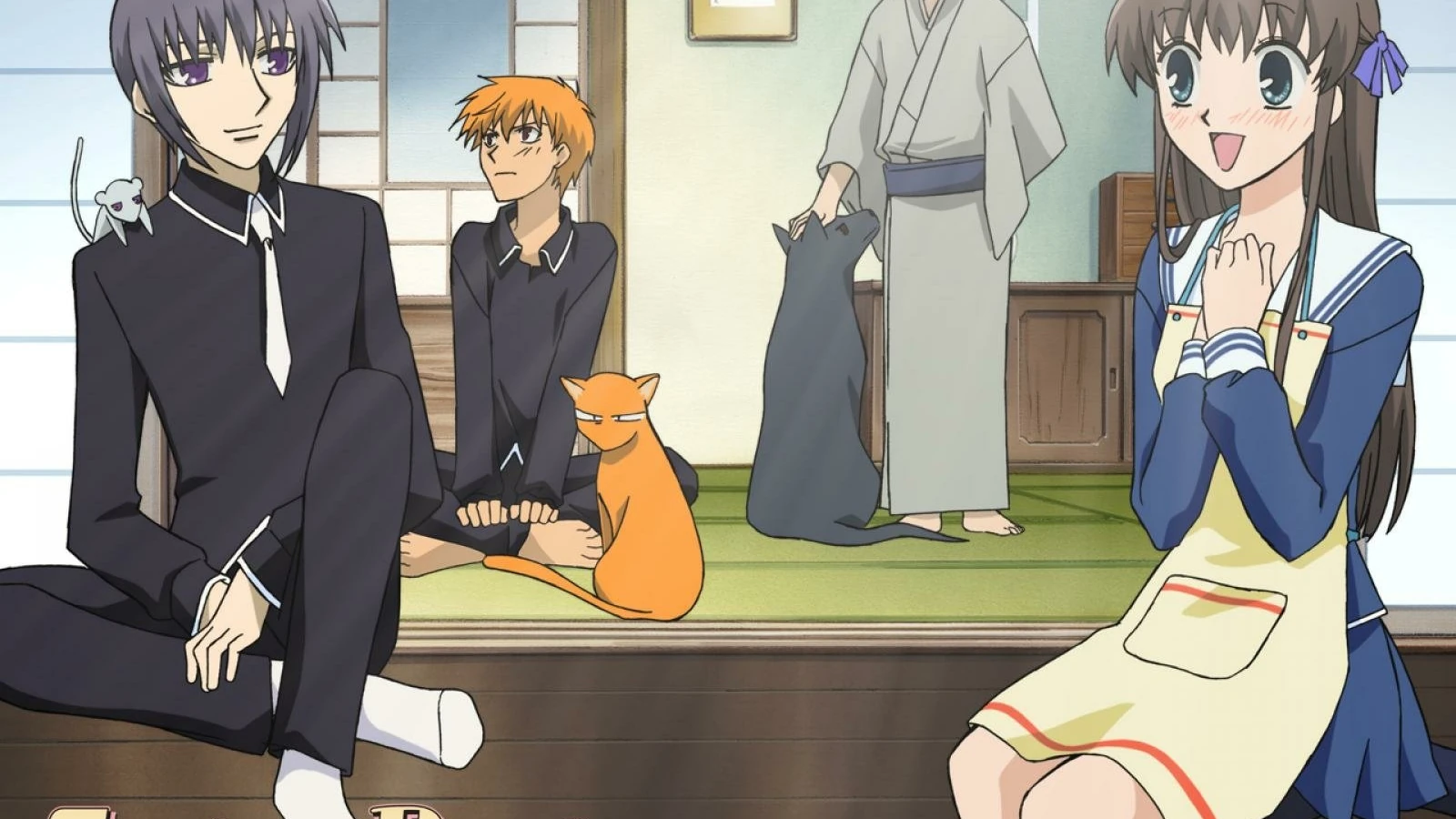
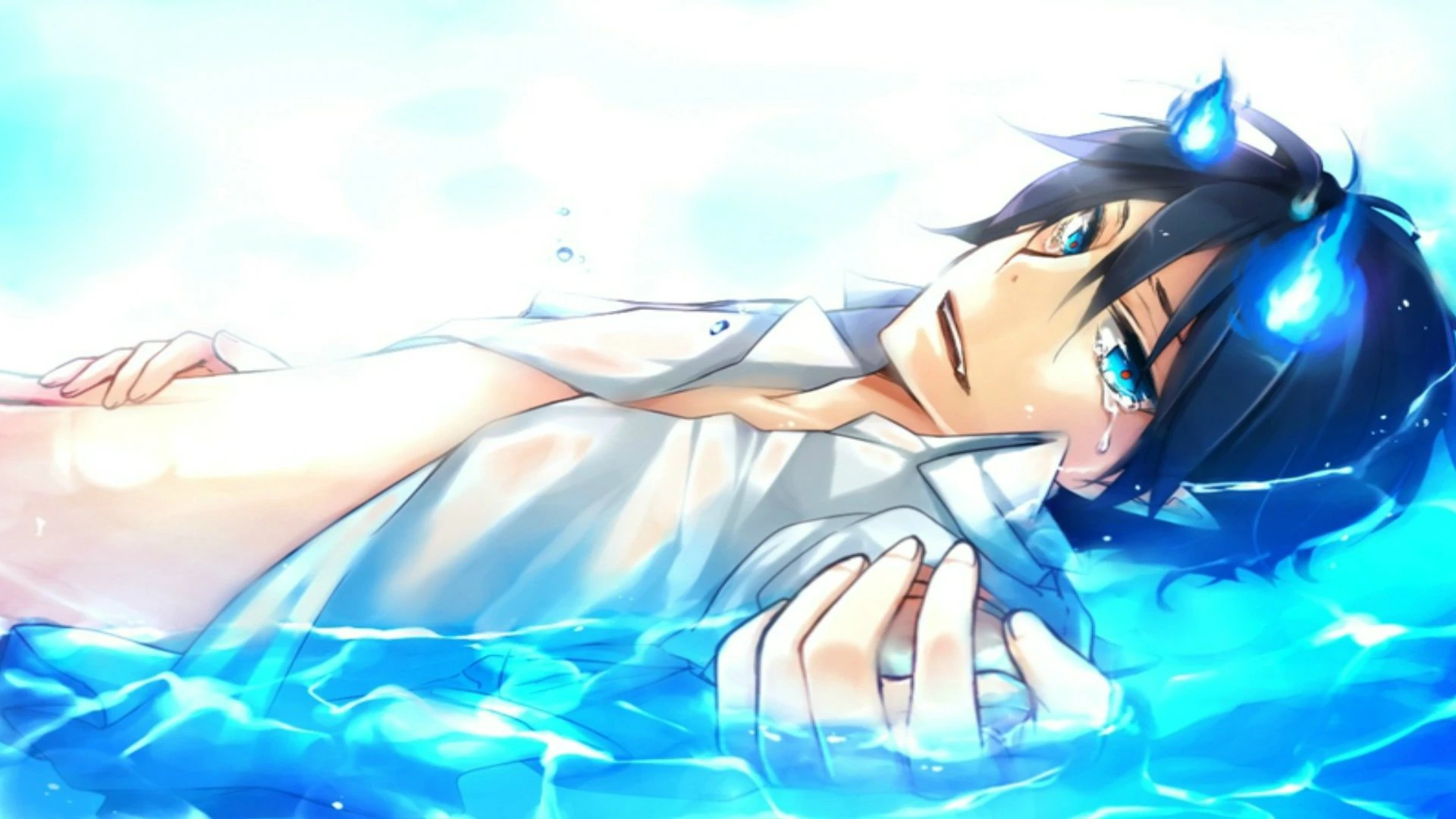
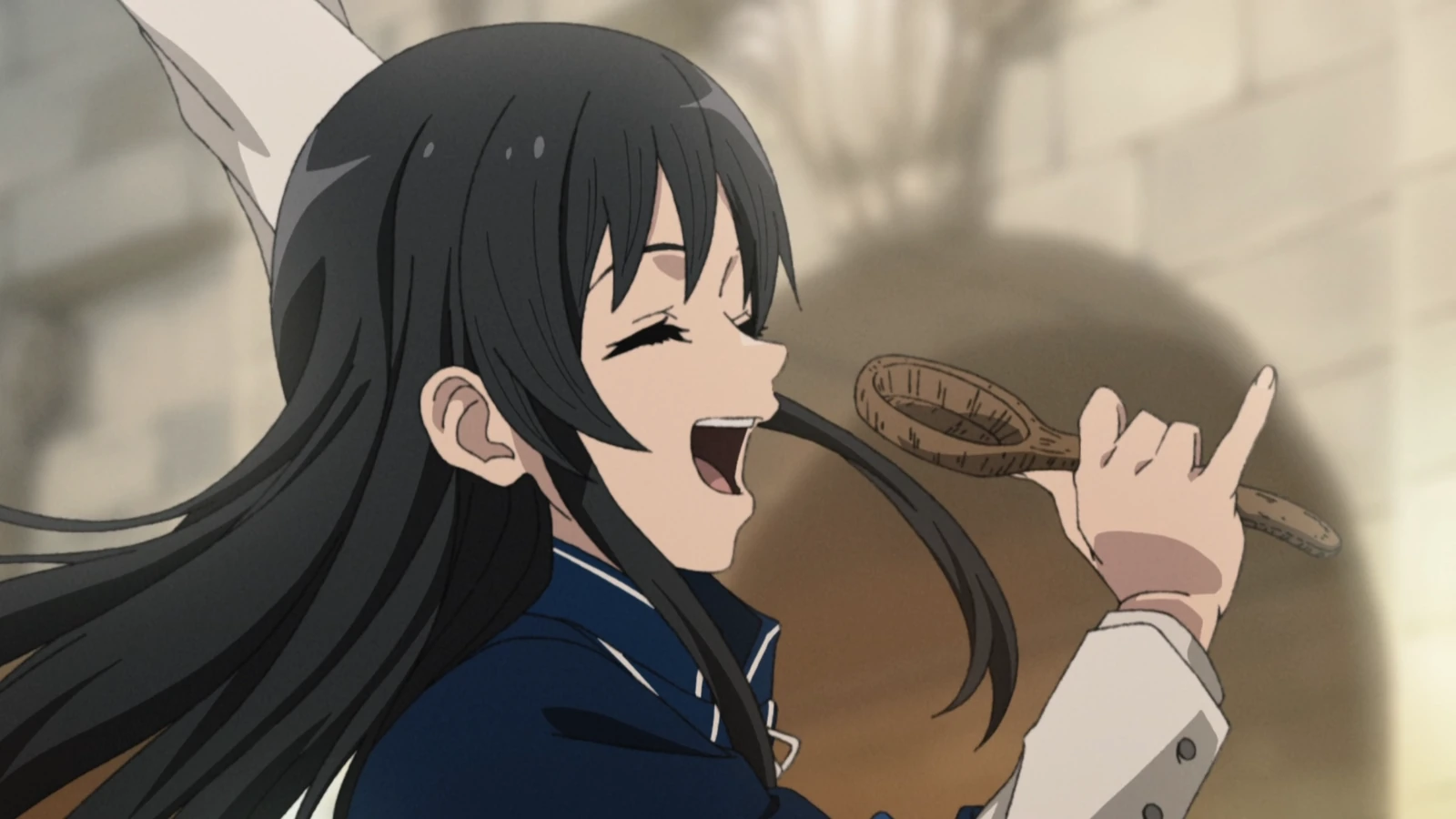
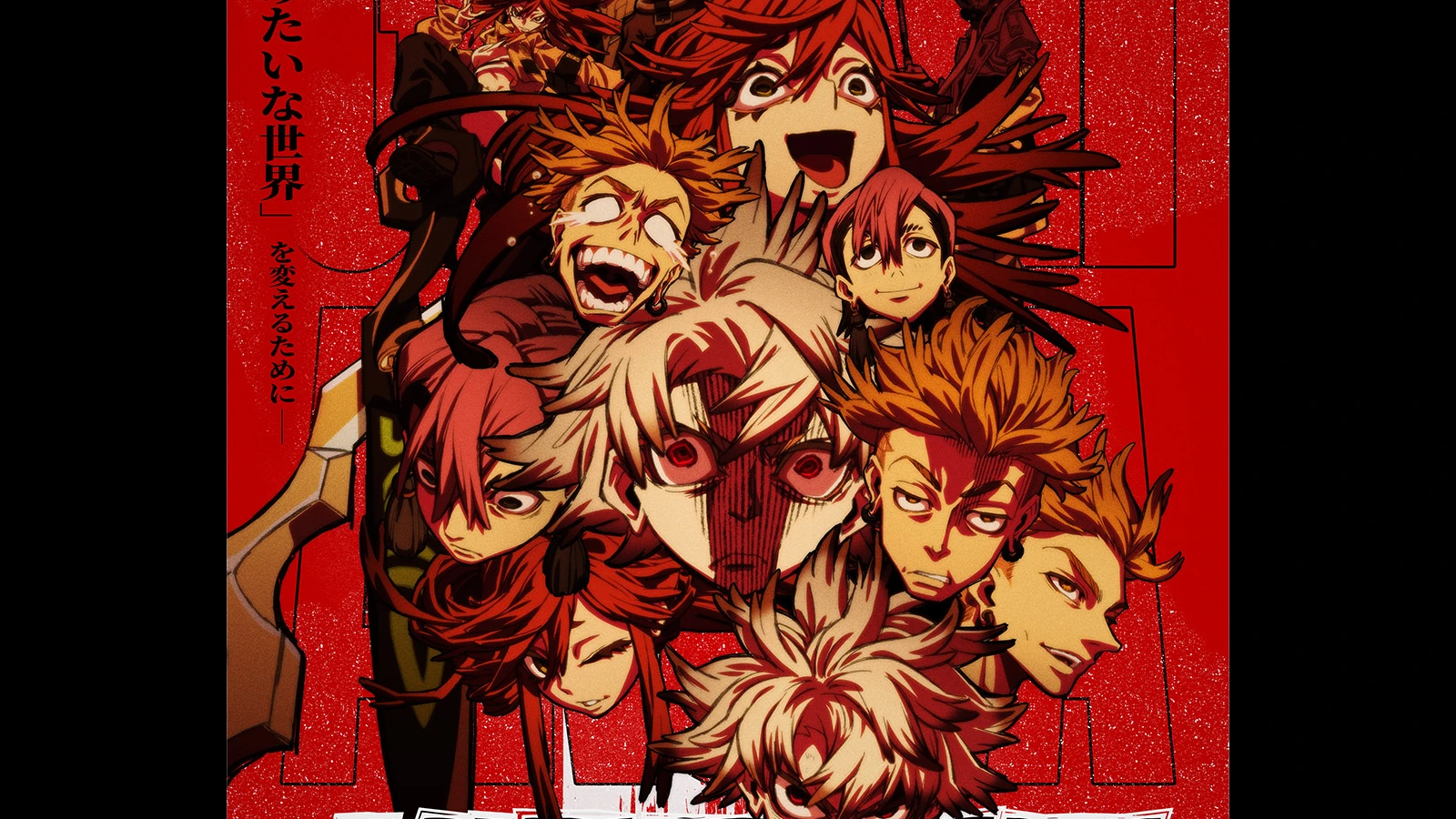
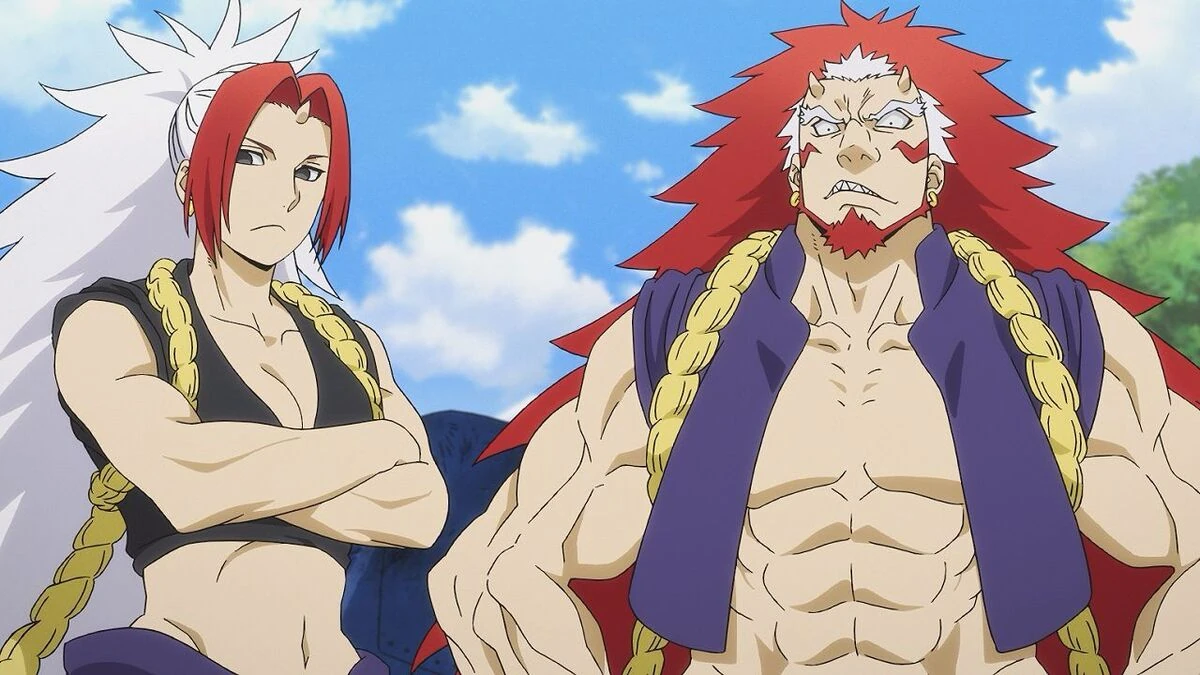
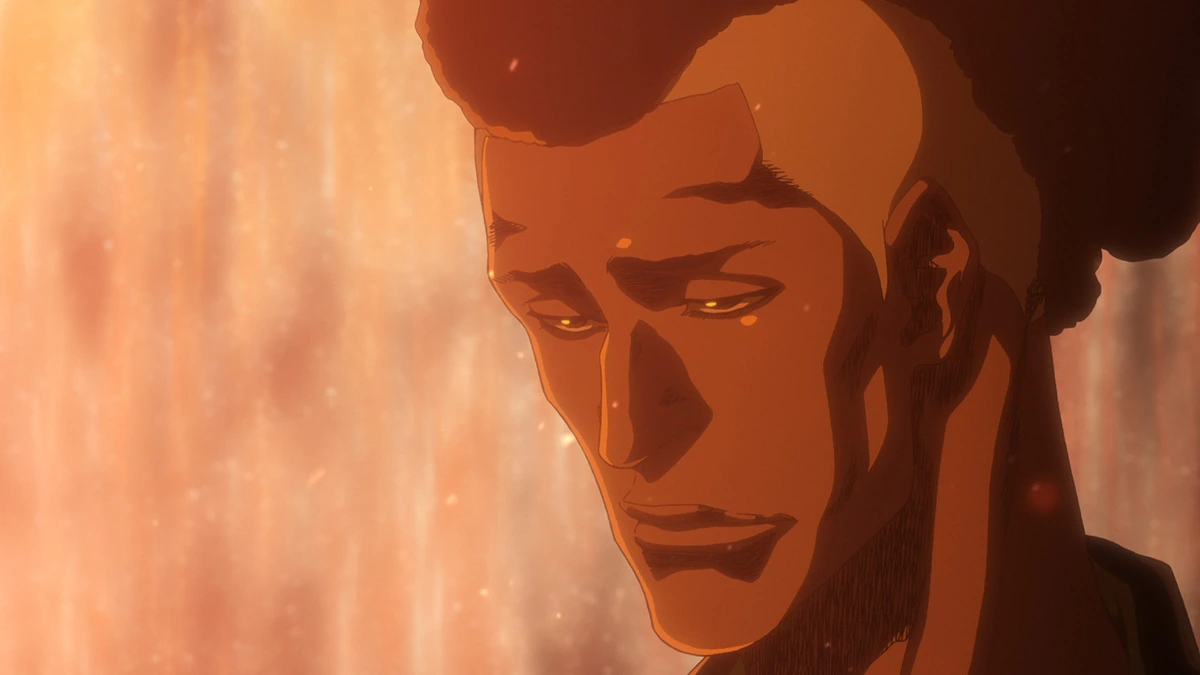
When an anime catches up with its manga before the author has finished the story, the production has a few choices: stop, stall, invent a new arc, or build its own ending. This list focuses on ten cases where the adaptation reached a closing point that did not exist in that form in the manga while the printed story was still ongoing. Filler alone is not enough; the TV series has to end on an original route.
Timing matters too. Chrono Crusade is often mentioned in discussions of different anime endings, but it does not qualify here because its manga concluded before the anime's final episode aired. The order is not a quality ranking. It is a way to compare how different productions solved the same adaptation problem — and how later remakes sometimes returned to the manga once a complete ending finally existed.
These ten series show why “the anime caught the manga” never had one universal solution. Some teams were given freedom to make a parallel work; others accelerated confrontations or chose an emotional stopping point. Later remakes do not erase those original endings. They make it easier to see them for what they were: conclusions shaped by a specific moment when the adaptation had to finish before its source could.
There is also a useful lesson in comparing these adaptations. An original ending does not automatically mean the studio “ruined” the source or ignored the author. In some cases the divergence was accepted or encouraged by the creator; in others it was a practical solution for a television production that needed a conclusion while a monthly manga was still years from finishing. Each case makes more sense when judged by the problem it had to solve at the time, not only by how far it moved away from canon. That is why several of these alternate routes still have an identity of their own even after a more faithful adaptation exists.