YORUNEKO夜猫
Fullmetal Alchemist character silhouettes representing manga adaptations that followed their own endings
Listas e Curiosidades

10 manga whose anime got an original ending before the source finished

From Fullmetal Alchemist to Blue Exorcist, ten adaptations that built their own ending while the source manga was still unfinished.

Central de Before
YoruNeko Por YoruNeko Publicado em 12 de agosto de 2026 8 min de leitura
Compartilhar W f X

When an anime catches up with its manga before the author has finished the story, the production has a few choices: stop, stall, invent a new arc, or build its own ending. This list focuses on ten cases where the adaptation reached a closing point that did not exist in that form in the manga while the printed story was still ongoing. Filler alone is not enough; the TV series has to end on an original route.

Timing matters too. Chrono Crusade is often mentioned in discussions of different anime endings, but it does not qualify here because its manga concluded before the anime's final episode aired. The order is not a quality ranking. It is a way to compare how different productions solved the same adaptation problem — and how later remakes sometimes returned to the manga once a complete ending finally existed.

Neste artigo
  1. 1Fullmetal Alchemist (2003)
  2. 2Soul Eater
  3. 3Claymore
  4. 4Gantz
  5. 5Hellsing (2001)
  6. 6Shaman King (2001)
  7. 7Trigun (1998)
  8. 8Bokurano
  9. 9Fruits Basket (2001)
  10. 10Blue Exorcist (2011)
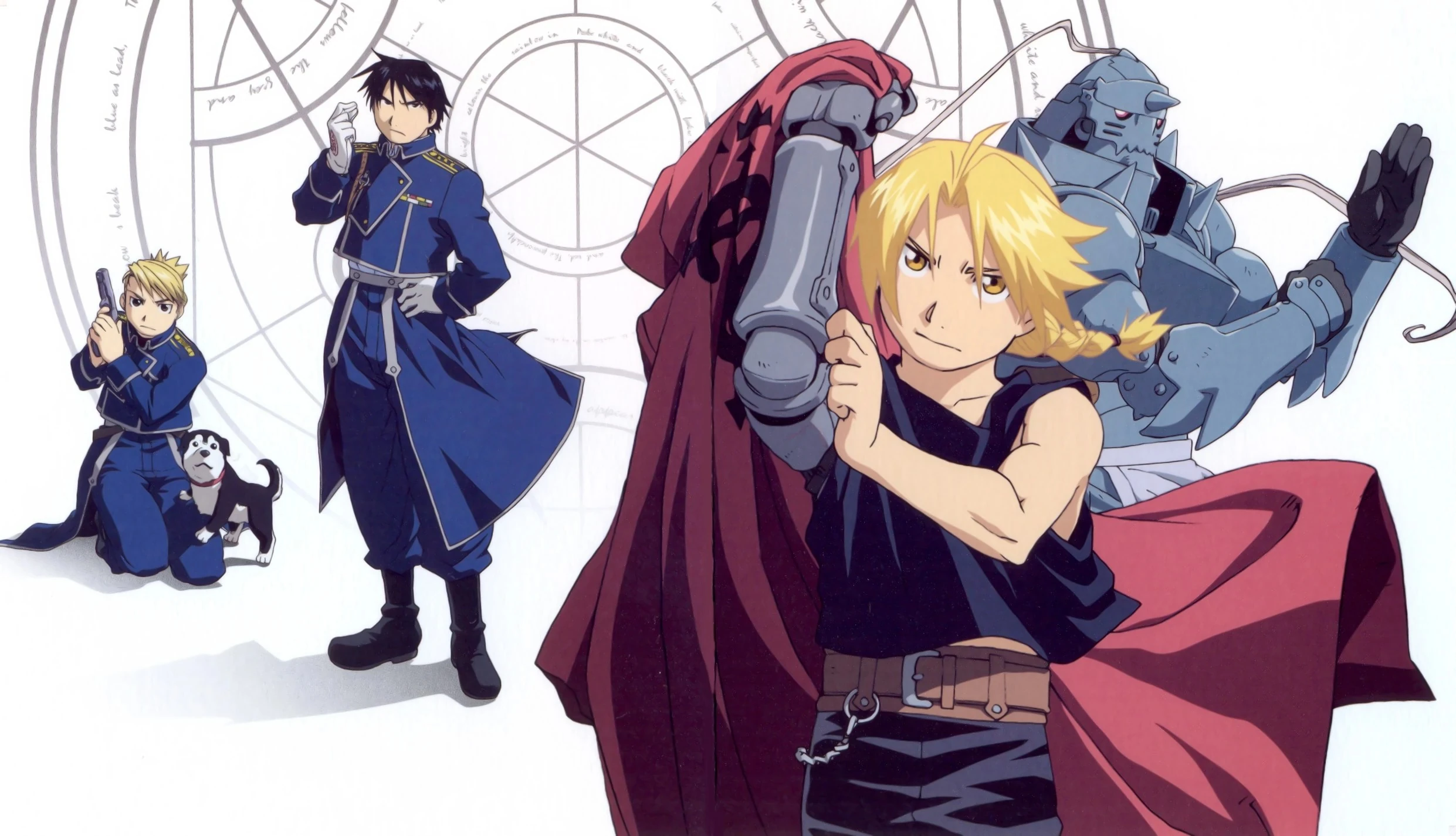
1 Fullmetal Alchemist characters from the 2003 anime adaptation
1

Fullmetal Alchemist (2003)

A deliberately separate route

The 2003 series follows its own story because the manga was ongoing and Arakawa requested a different ending.

The 2003 series follows its own story because the manga was ongoing and Arakawa requested a different ending.

What changes: This is the most deliberate case: a planned alternate continuity rather than a last-minute patch.

Original endingOngoing manga
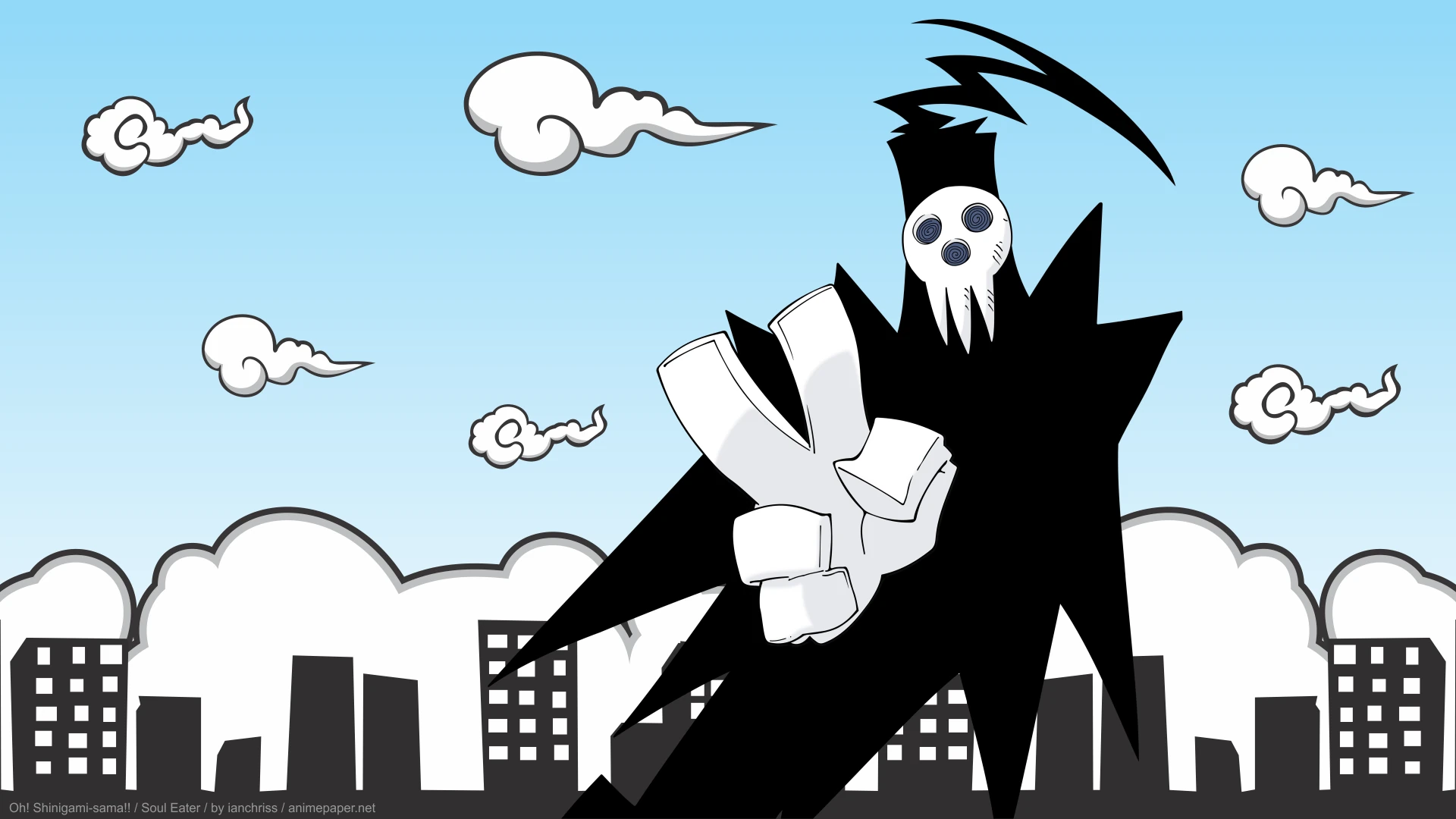
2 Soul Eater visual showing a series character against a stylized city
2

Soul Eater

Asura gets a different resolution

The anime closes the Asura conflict in 2009 while the manga continues developing it until 2013.

The anime closes the Asura conflict in 2009 while the manga continues developing it until 2013.

What changes: The manga expands Crona, the witches and the war before reaching its own ending.

Original endingOngoing manga
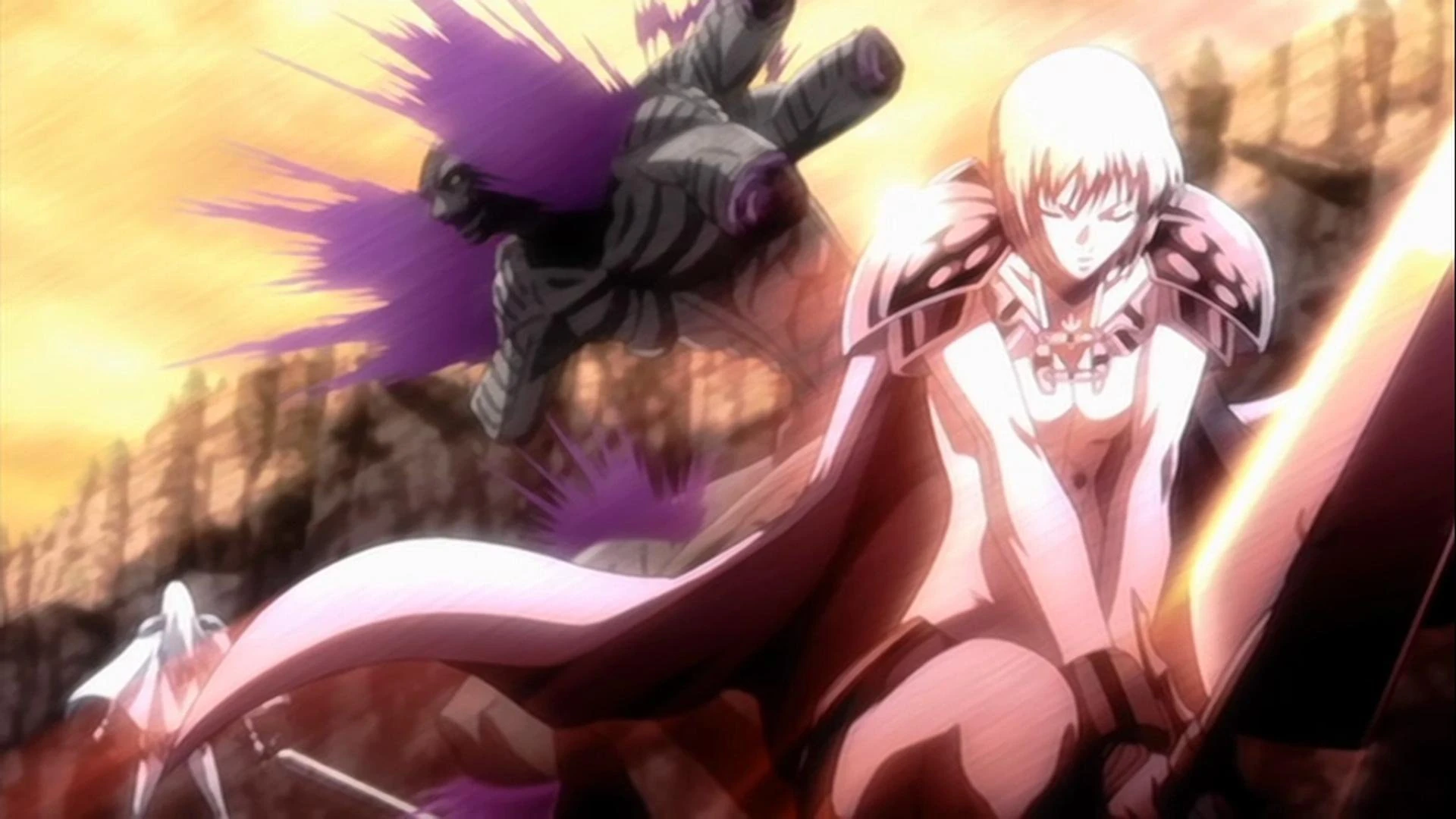
3 Clare and Claymore warriors in artwork from the anime adaptation
3

Claymore

Pieta becomes the endpoint

The last episodes rewrite the Northern Campaign to supply a TV confrontation and farewell.

The last episodes rewrite the Northern Campaign to supply a TV confrontation and farewell.

What changes: In the manga, Pieta leads into a time skip and a much larger phase of the story.

Original endingOngoing manga
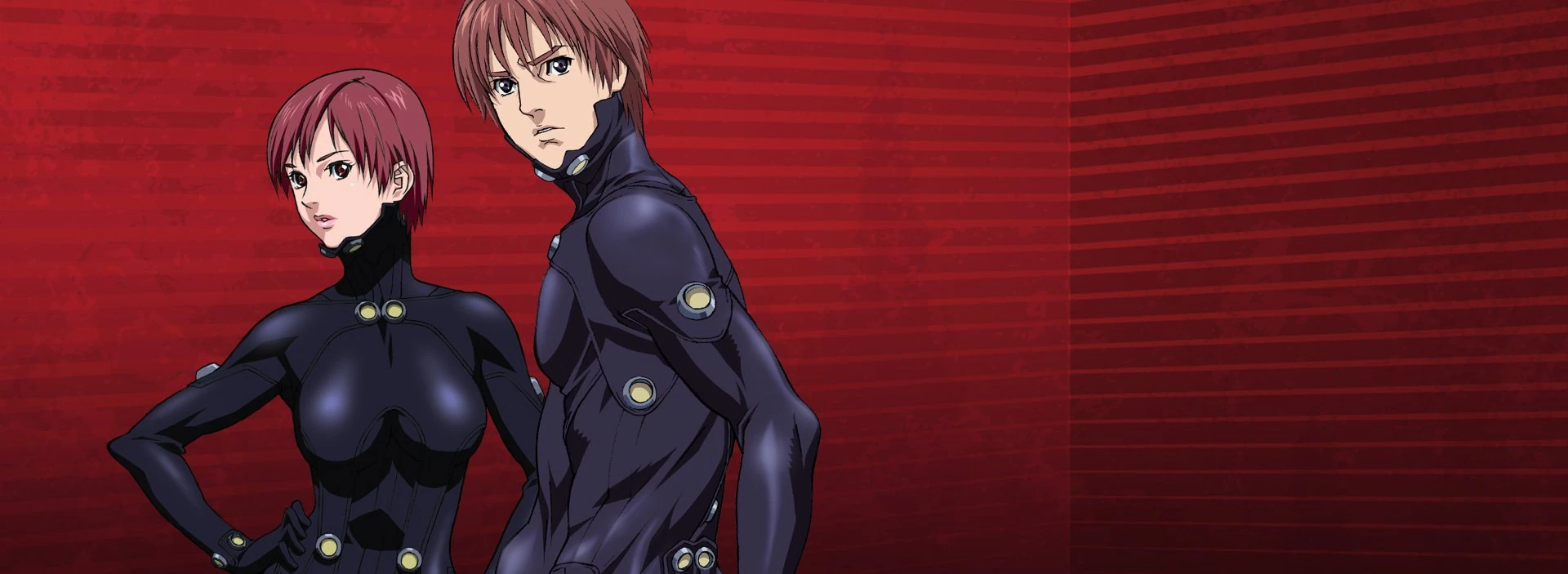
4 Kei Kurono and Kei Kishimoto wearing Gantz suits
4

Gantz

The final mission belongs to TV

After adapted missions, the anime creates a final hunt centered on Kei Kurono.

After adapted missions, the anime creates a final hunt centered on Kei Kurono.

What changes: The manga continues for almost nine years and takes Kurono into conflicts the TV series never reaches.

Original endingOngoing manga
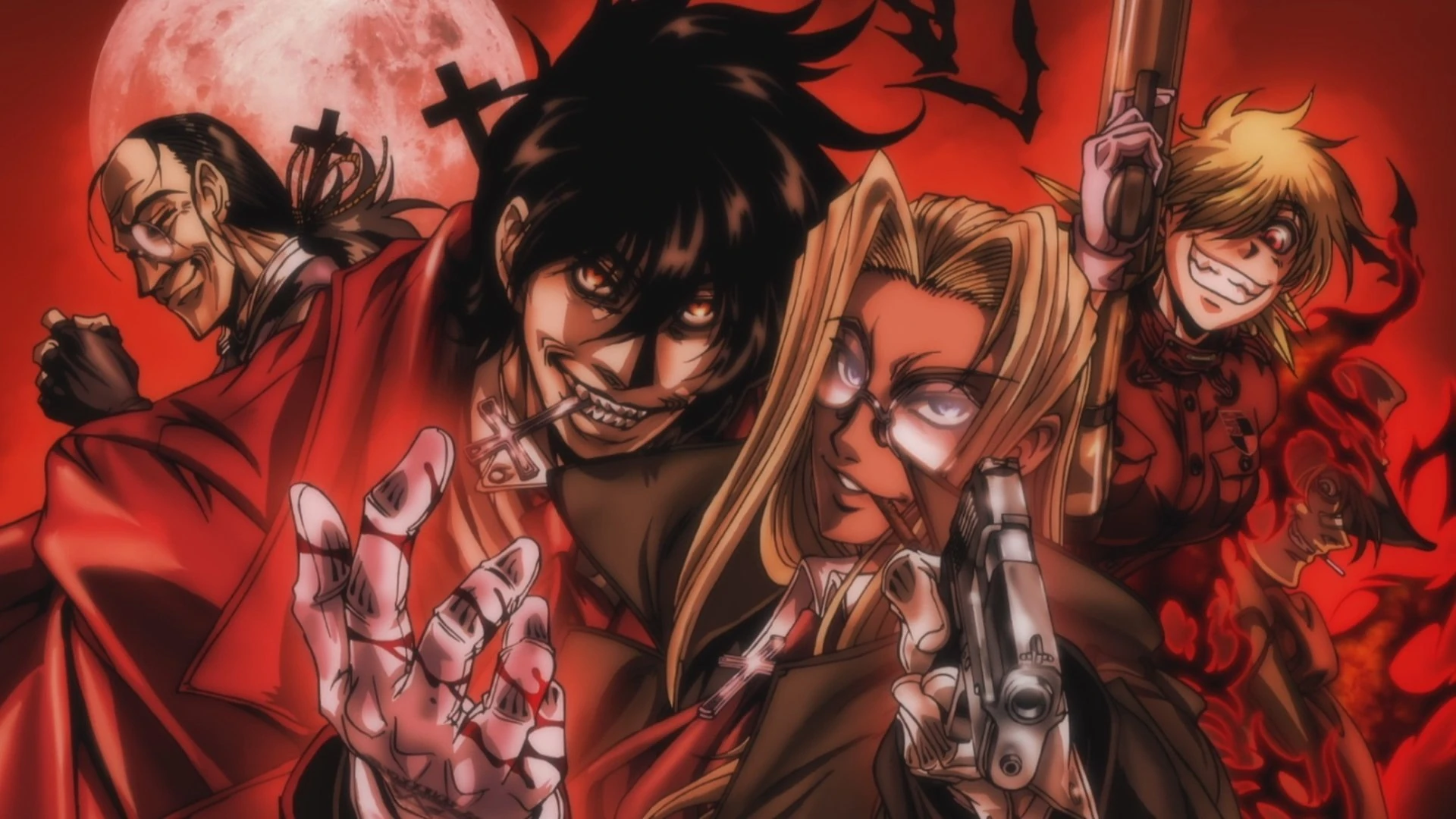
5 Alucard and members of the Hellsing Organization in the 2001 adaptation
5

Hellsing (2001)

Incognito closes the first series

The 2001 adaptation creates Incognito to carry its own conclusion.

The 2001 adaptation creates Incognito to carry its own conclusion.

What changes: Hellsing Ultimate later follows the manga route and shows how far the first adaptation had diverged.

Original endingOngoing manga
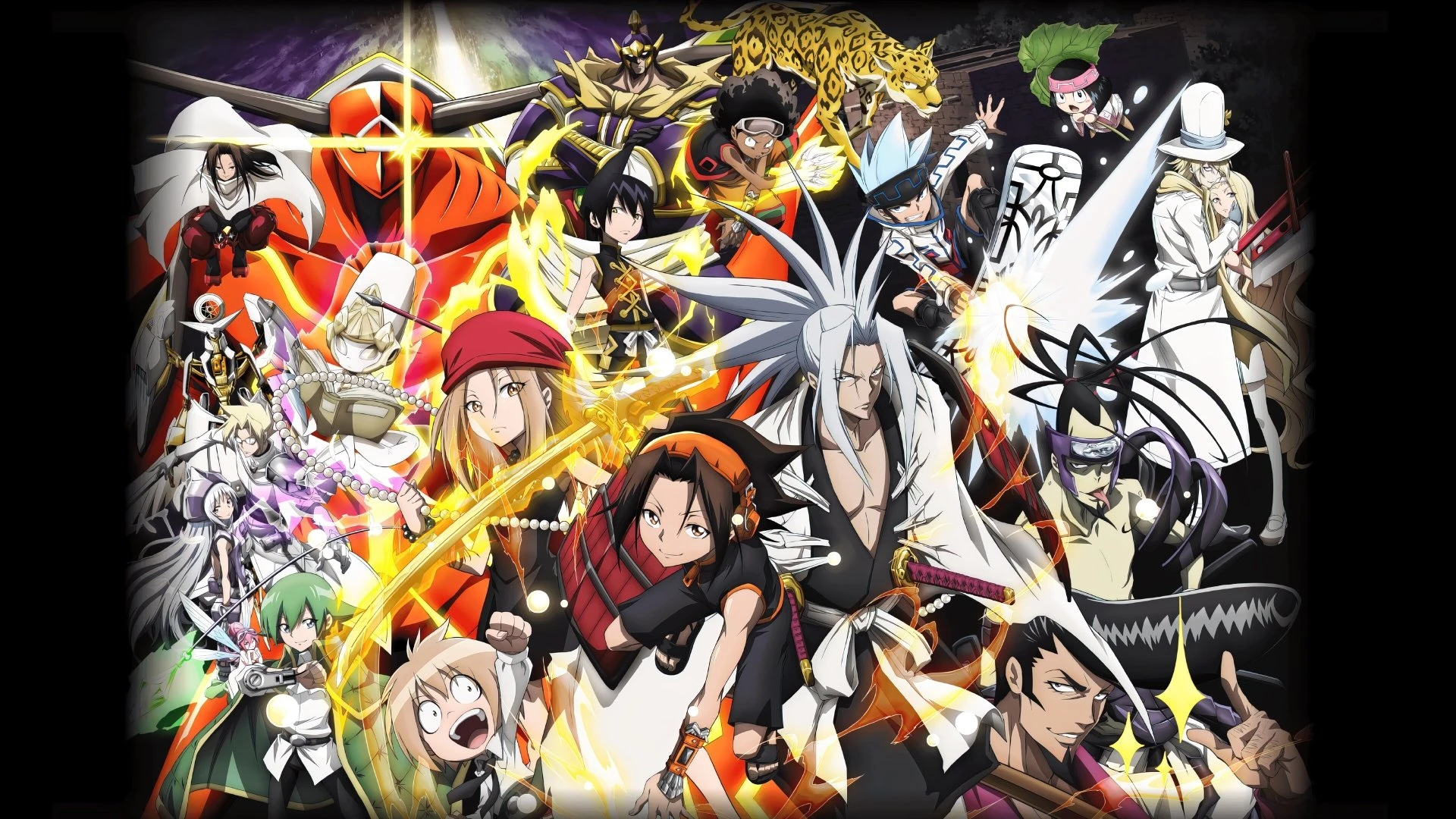
6 Yoh Asakura and other Shaman King characters gathered in anime artwork
6

Shaman King (2001)

Hao is resolved before the definitive manga ending

The anime concludes the Shaman Fight in 2002 using extensive original material.

The anime concludes the Shaman Fight in 2002 using extensive original material.

What changes: The manga only receives its definitive ending with the 2009 kanzenban release.

Original endingOngoing manga
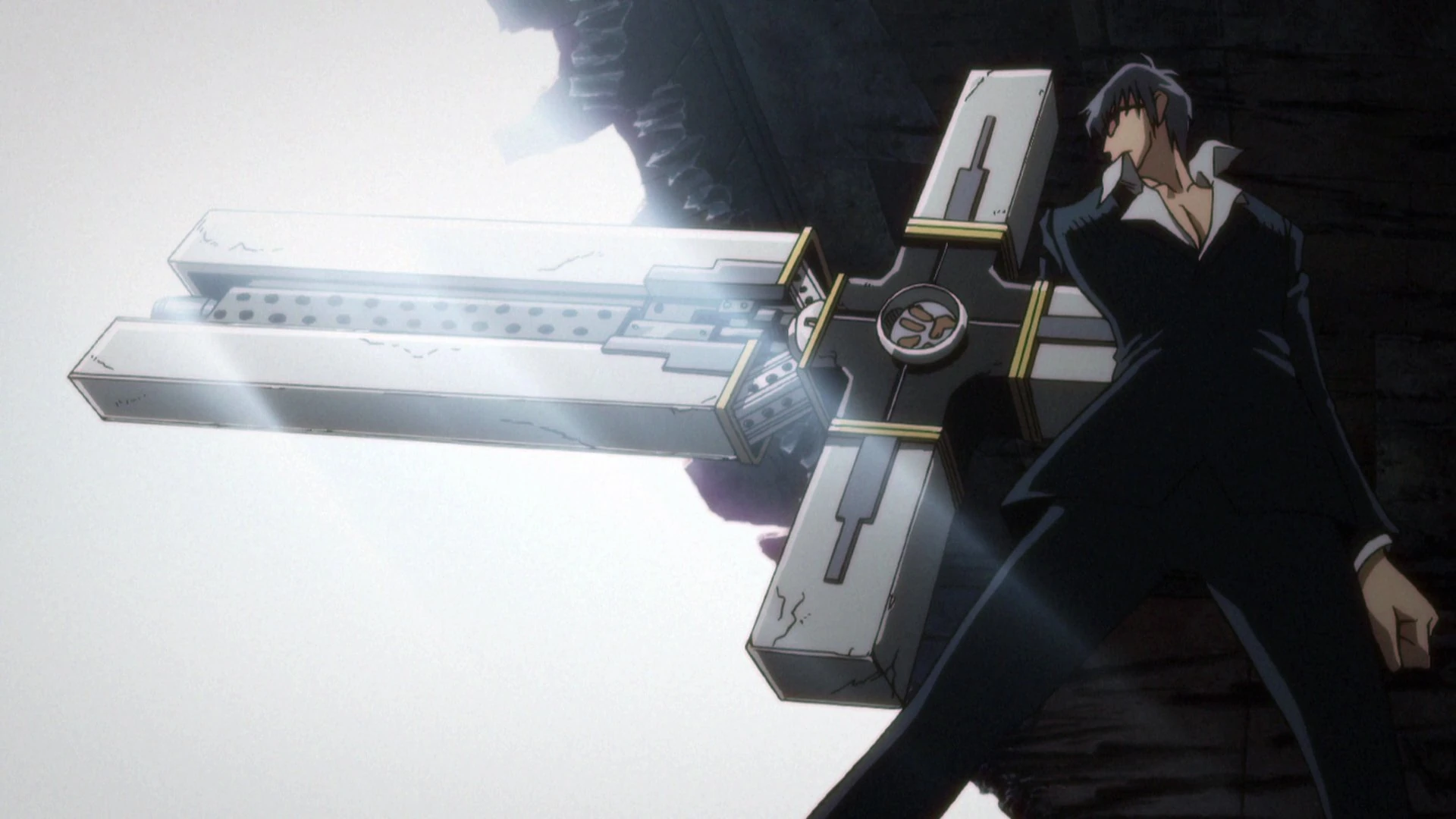
7 Nicholas D. Wolfwood wielding the Punisher in Trigun
7

Trigun (1998)

Vash reaches Knives by another route

The 1998 anime builds its own progression while Trigun Maximum continues for years.

The 1998 anime builds its own progression while Trigun Maximum continues for years.

What changes: Nightow develops Knives, Wolfwood and the Gung-Ho Guns much further in the manga.

Original endingOngoing manga
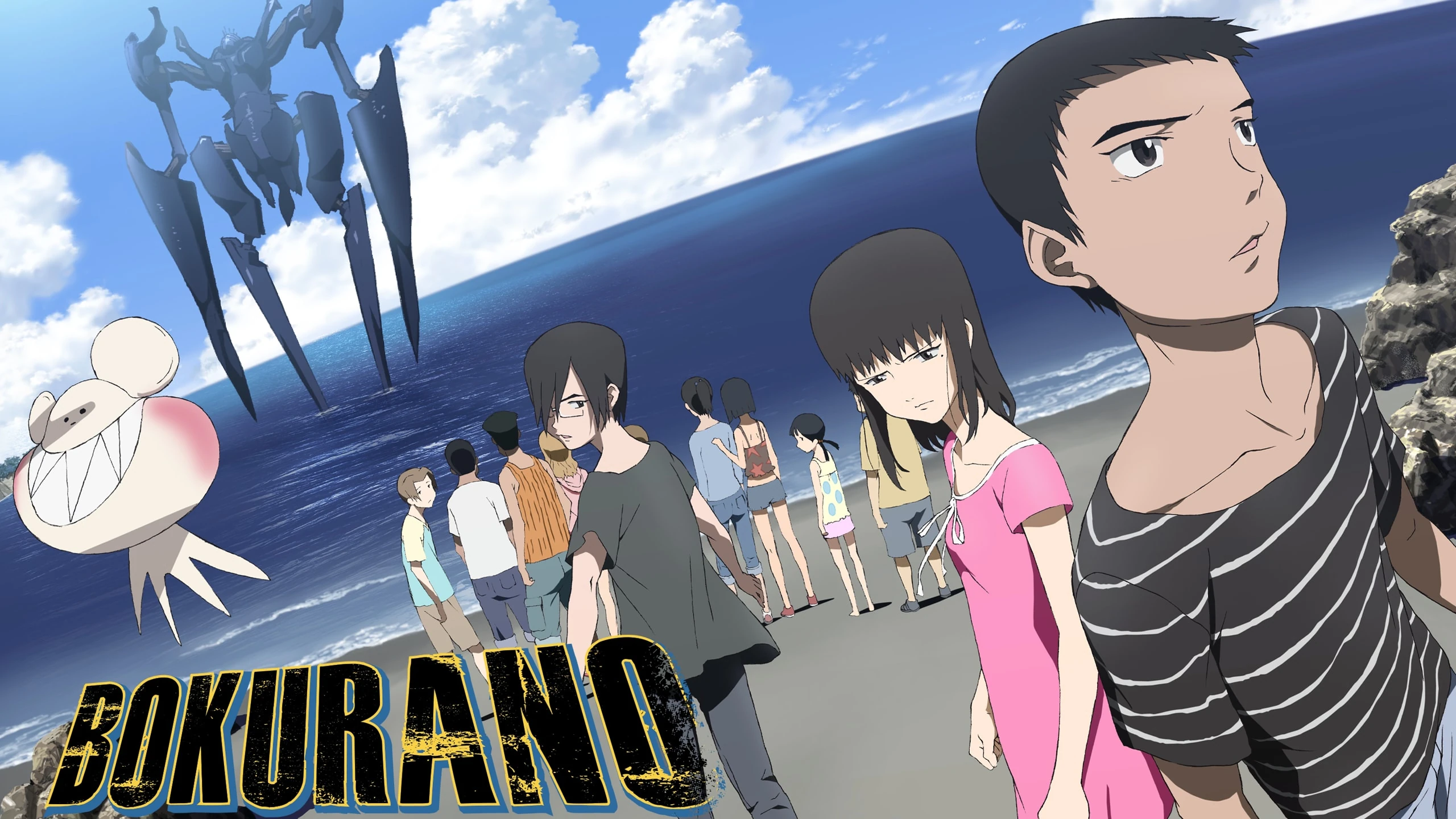
8 The Bokurano children on the beach with Zearth in the background
8

Bokurano

Changes openly embraced by the director

The anime alters fates and its final stretch while Mohiro Kitoh is still publishing.

The anime alters fates and its final stretch while Mohiro Kitoh is still publishing.

What changes: The divergence changes the thematic weight of the sacrifices, not just isolated events.

Original endingOngoing manga
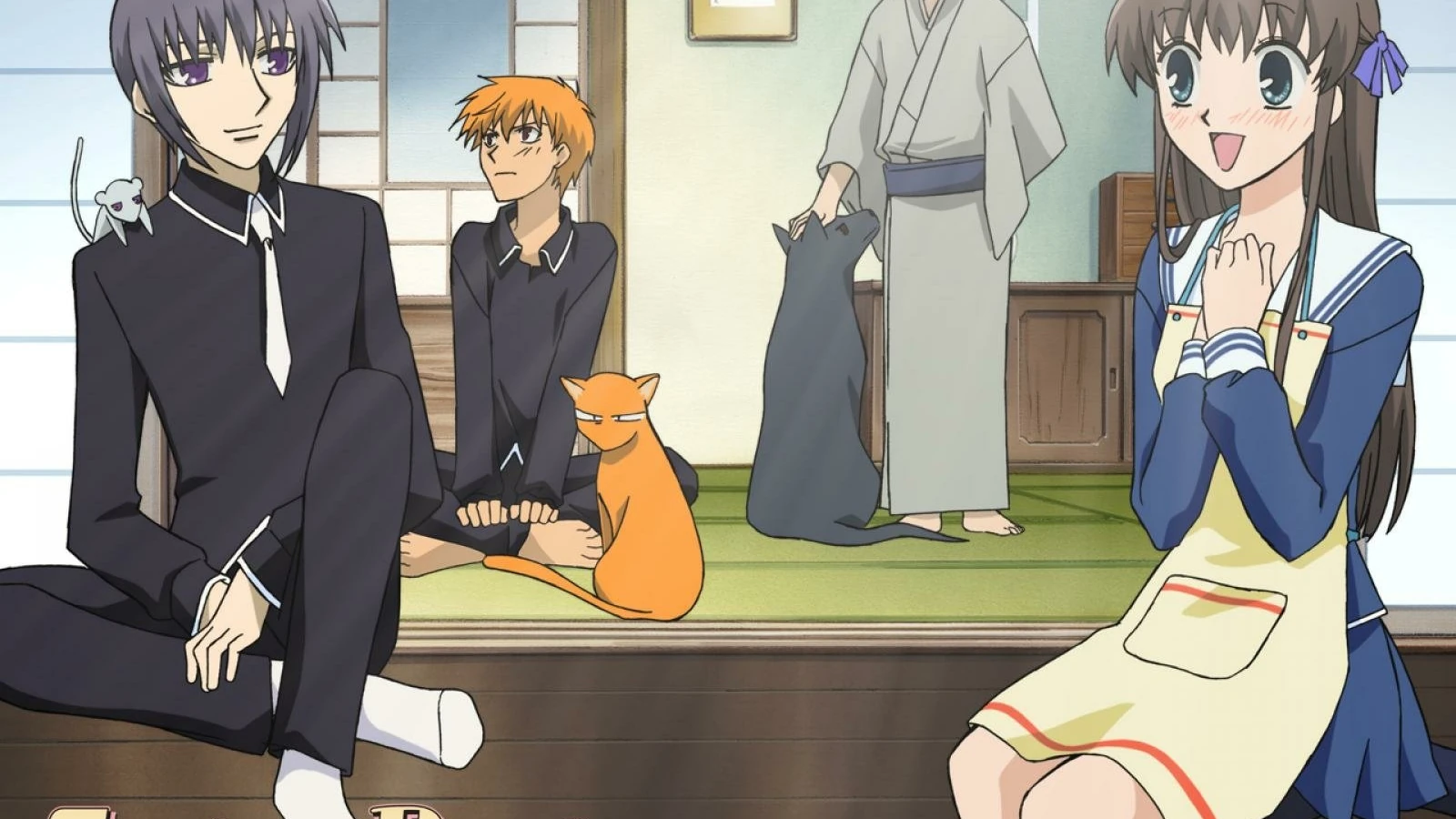
9 Tohru Honda, Kyo, Yuki and Shigure in a 2001 Fruits Basket visual
9

Fruits Basket (2001)

An original season ending

The 2001 series turns Kyo’s crisis into its own farewell without resolving the full manga.

The 2001 series turns Kyo’s crisis into its own farewell without resolving the full manga.

What changes: The 2019 reboot can reach the true ending because the source is finally complete.

Original endingOngoing manga
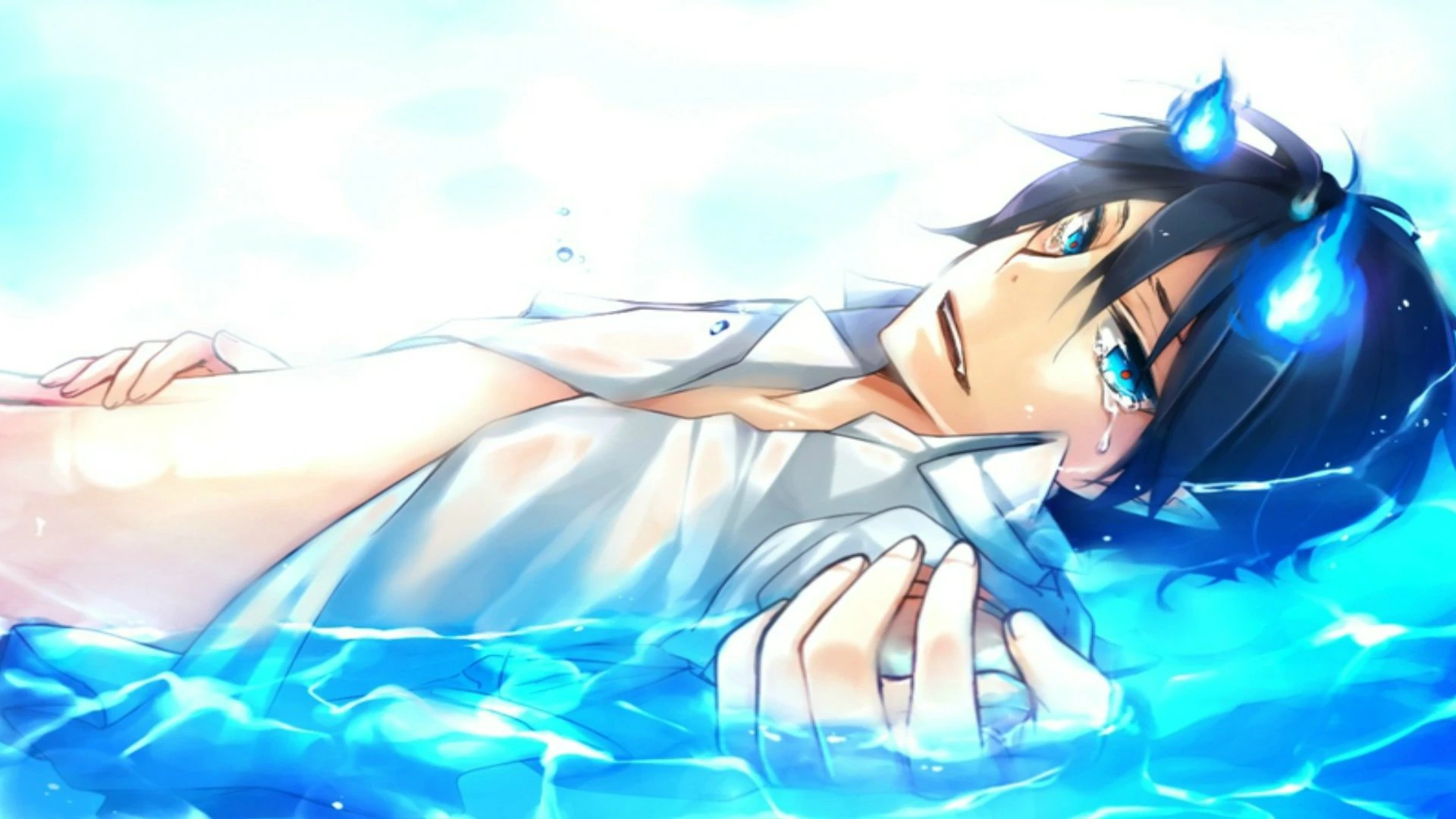
10 Rin Okumura surrounded by blue flames in Blue Exorcist
10

Blue Exorcist (2011)

A route later left behind

The final 2011 episodes use original material to close the season.

The final 2011 episodes use original material to close the season.

What changes: Kyoto Saga returns to manga continuity instead of continuing that ending.

Original endingOngoing manga

These ten series show why “the anime caught the manga” never had one universal solution. Some teams were given freedom to make a parallel work; others accelerated confrontations or chose an emotional stopping point. Later remakes do not erase those original endings. They make it easier to see them for what they were: conclusions shaped by a specific moment when the adaptation had to finish before its source could.

There is also a useful lesson in comparing these adaptations. An original ending does not automatically mean the studio “ruined” the source or ignored the author. In some cases the divergence was accepted or encouraged by the creator; in others it was a practical solution for a television production that needed a conclusion while a monthly manga was still years from finishing. Each case makes more sense when judged by the problem it had to solve at the time, not only by how far it moved away from canon. That is why several of these alternate routes still have an identity of their own even after a more faithful adaptation exists.
YoruNeko

YoruNeko — Yoruneko Editorial

Dono e criador do site. Sou apaixonado por animes, cultura pop e tudo que entra no radar geek — de lançamentos da temporada a clássicos que sempre valem um replay.

View all articles →