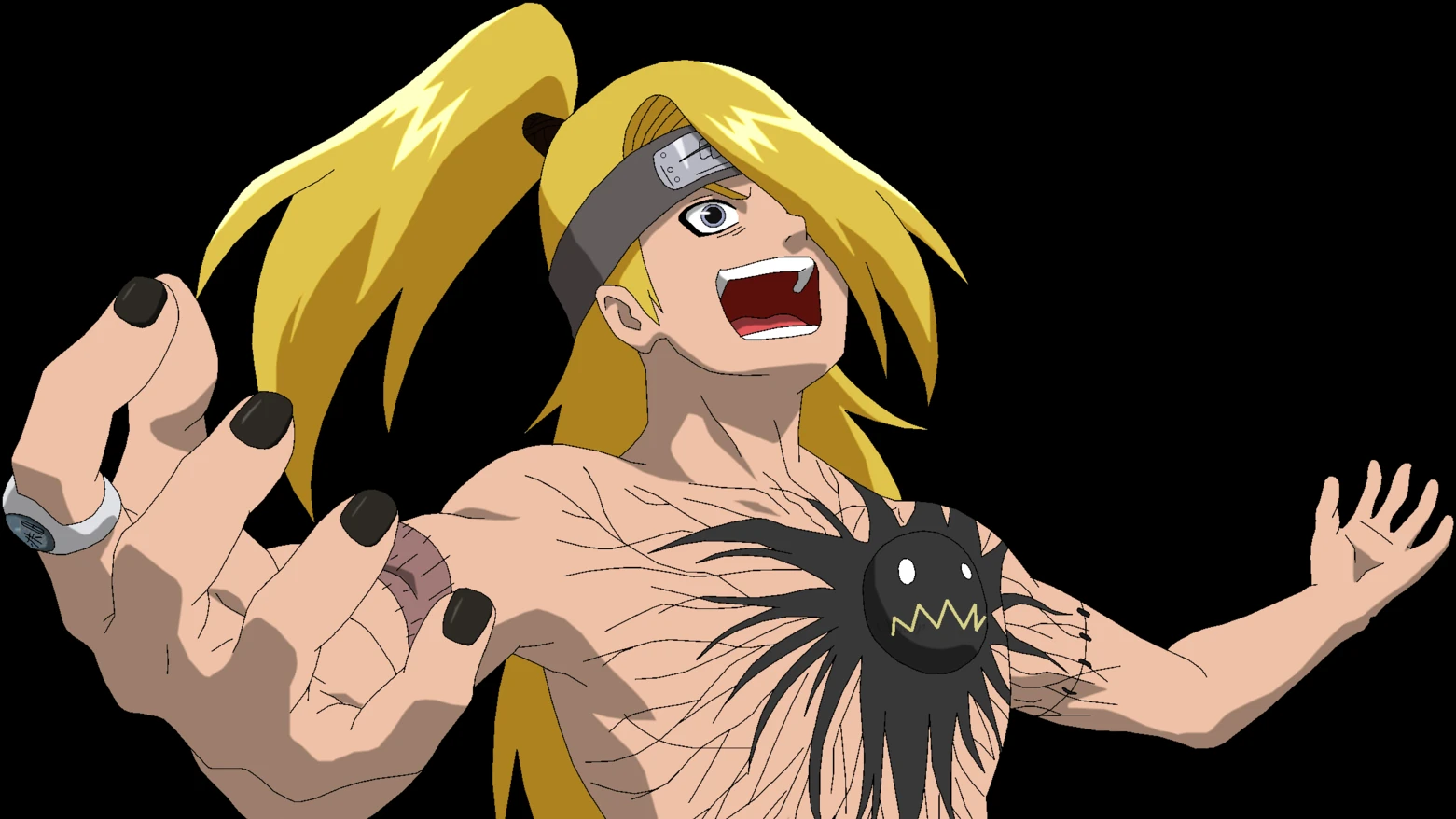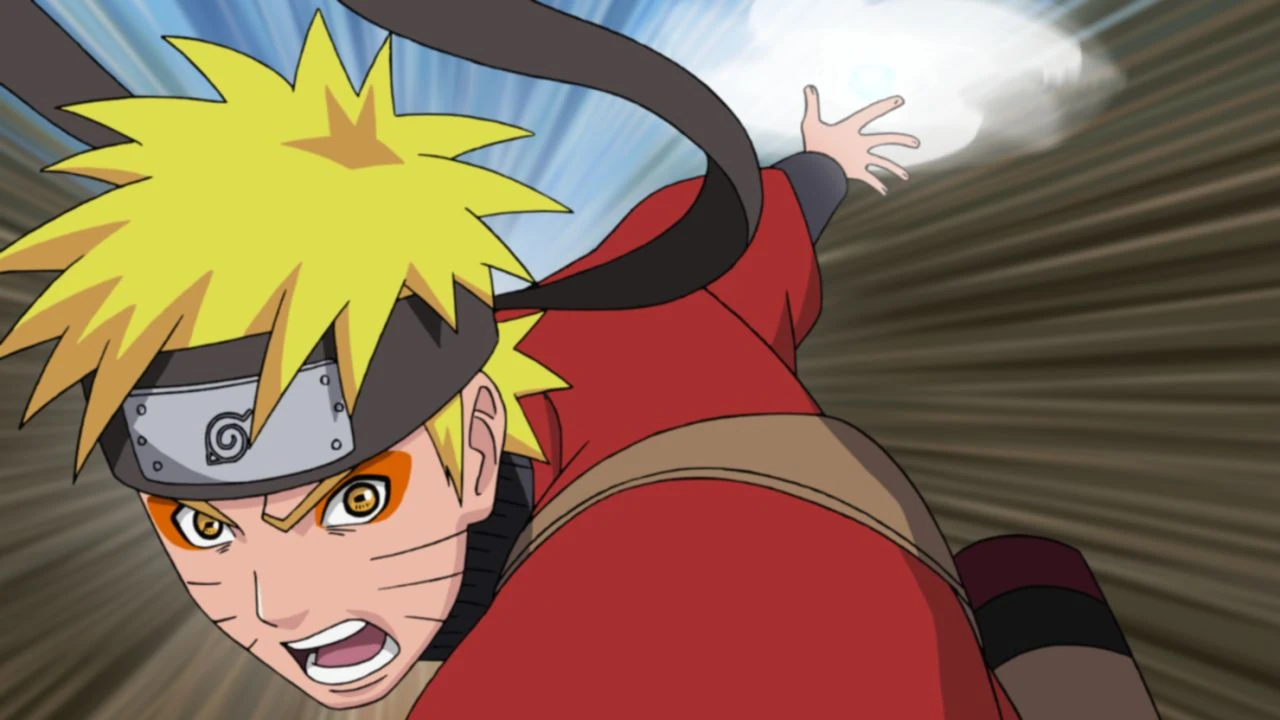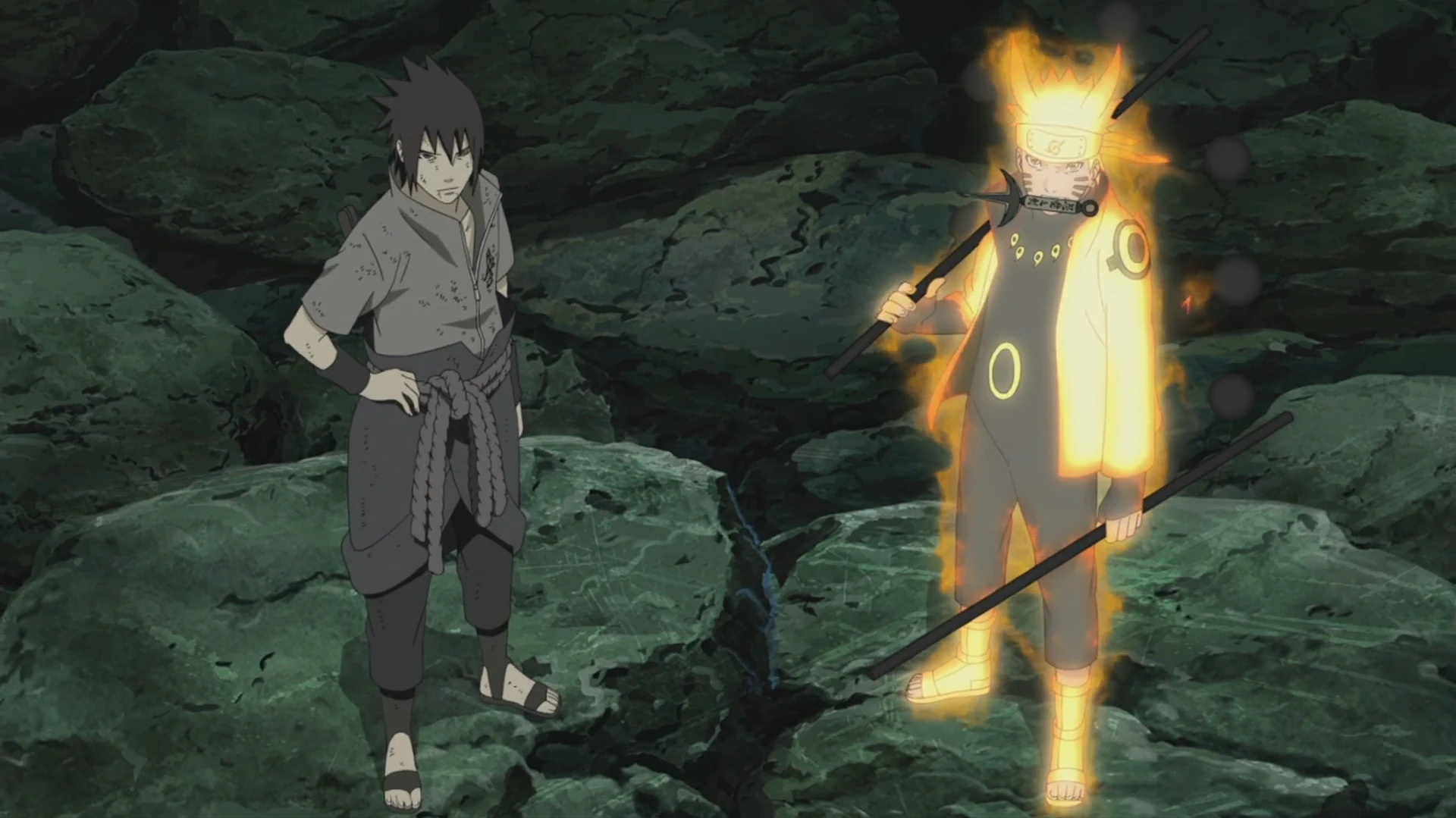

In Naruto, burning through a huge chakra reserve is not the same as paying a permanent price for a technique. The jutsu on this list demand something that cannot simply be restored by resting: life, eyesight, a living human vessel, physical damage, years of waiting, or death itself. That is what makes them dangerous even in the hands of someone skilled enough to use them.
This is not a power ranking. The criterion is the cost built into the technique or its original method of use, not how large an explosion it can produce. Extremely destructive jutsu were left out when their only established drawback was enormous chakra consumption.
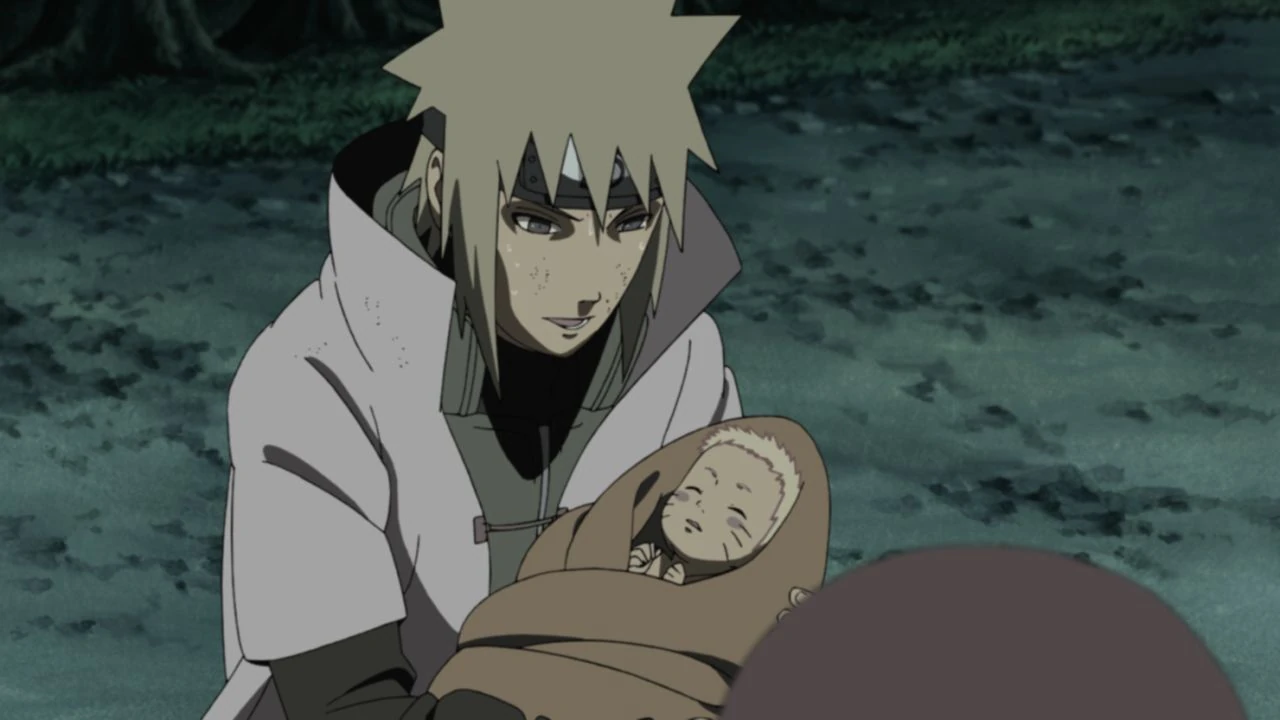
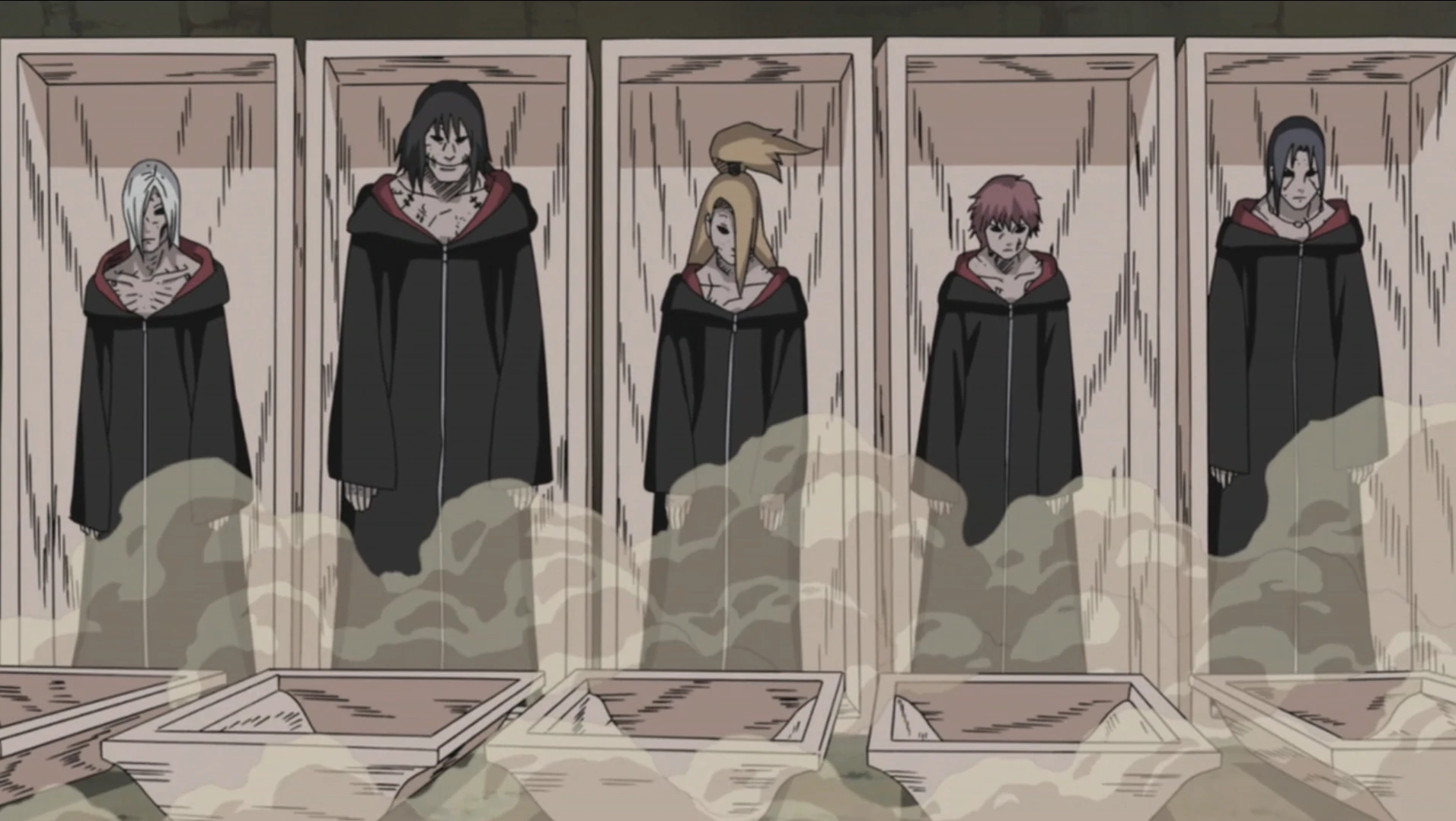
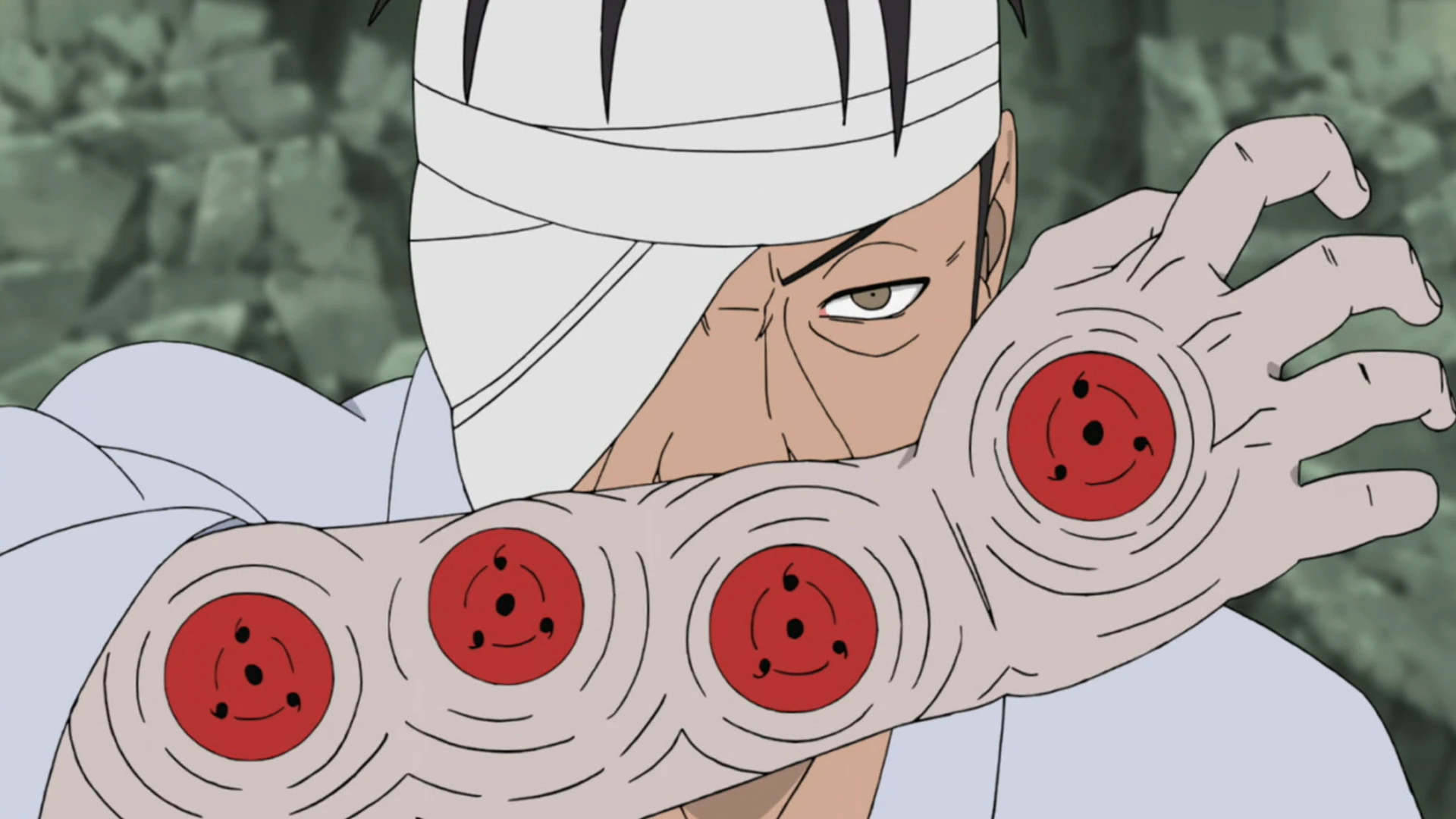
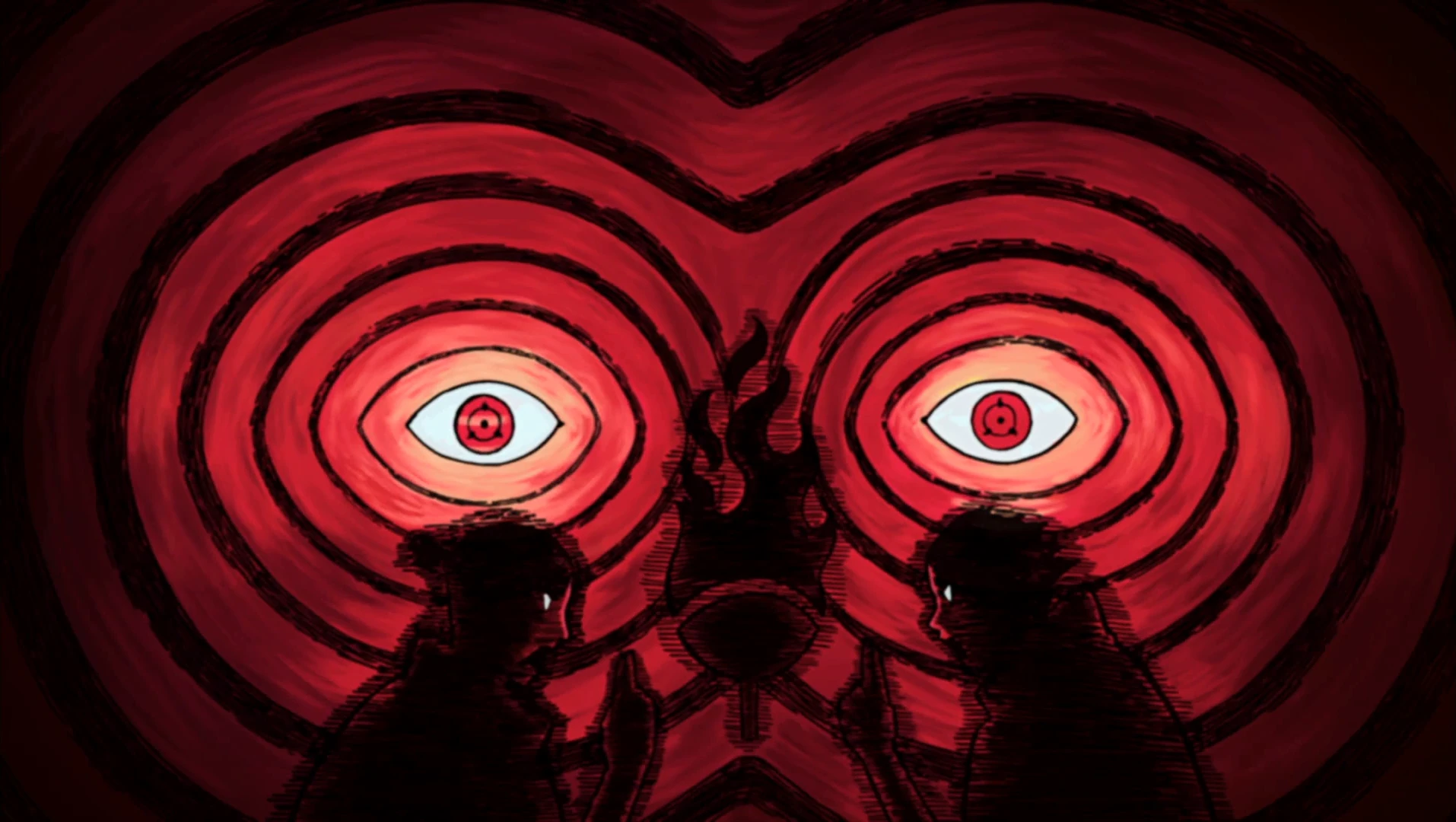
It also helps to separate three kinds of price. There is an unavoidable cost, as with Shiki Fūjin and C0, where the user’s death is tied directly to completing the technique. There is a permanent or structural cost, such as the eyesight consumed by Izanagi and Izanami or the living sacrifice required by Edo Tensei. And there are techniques whose danger comes from their original method of use, such as Naruto’s close-range Rasenshuriken. That distinction matters because a suicide technique should not be treated as identical to an attack that later became safe after its user developed a better delivery method. It also prevents exaggeration: not every drawback is a curse, and not every restriction applies equally to every person who inherits the same power. The useful question is always the same—where does the story establish the price, who actually pays it, and can that price be reduced without turning the ability into a fundamentally different technique?