
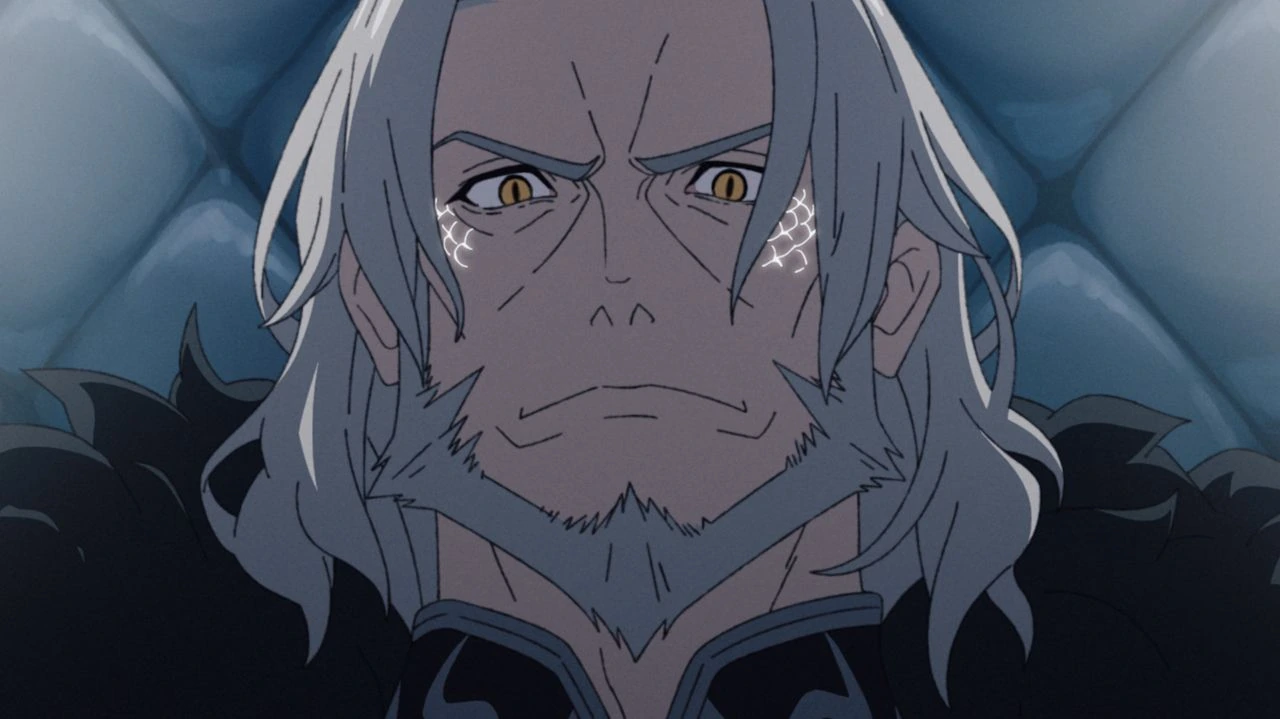
That is why his arrival in Season 3 matters more than the introduction of another powerful character. Perugius is a living bridge between Rudeus' present and a war the world still cannot treat as completely finished.
Perugius is a survivor of the war against Laplace
The official Mushoku Tensei character page identifies Perugius as one of the three heroes who sealed Demon God Laplace and as an authority on summoning magic. He did not learn about that conflict from books or legends; his status comes from taking part in it.
That personal history changes the meaning of his fixation on Laplace's return. Perugius is not an old noble clinging to a myth. Laplace is an enemy he already fought, and the danger was never presented to him as permanently erased.
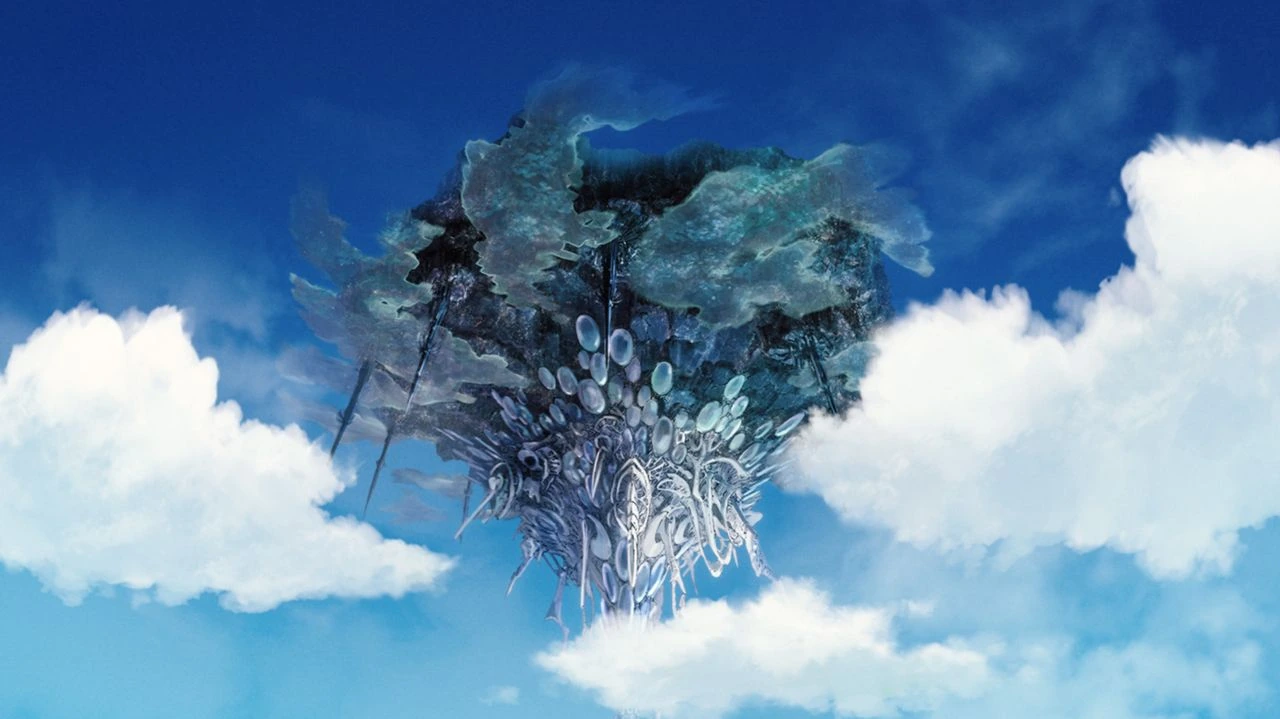
The Chaos Breaker reflects that life. It is more than an extravagant home. The fortress gathers his familiars, keeps him independent from everyday politics, and gives him a believable base for watching a threat that may take human generations to reappear.
This is why reducing Perugius to a power ranking misses the most interesting part of the character. His real weight comes from remembering a conflict that everyone around Rudeus experiences only as ancient history.
Why is Perugius waiting for Laplace if Laplace was already defeated?
Because the official material describes the old victory as a sealing, not the permanent end of Laplace. Perugius' current anime profile explicitly says he watches for the Demon God's resurrection from the Chaos Breaker.
The distinction between winning a battle and ending the problem matters. Perugius survived the war without receiving any promise that his enemy could never return. His postwar life therefore becomes prolonged preparation rather than retirement.
Mushoku Tensei also uses the difference in lifespan effectively. Four hundred years is remote history to Rudeus. For Perugius, it does not erase a responsibility that still points toward the future.
His twelve familiars turn that vigilance into a system
Perugius does not wait alone. The anime confirms that he commands twelve familiars, with the current Chaos Breaker material highlighting Sylvaril of the Void and Arumanfi the Bright.
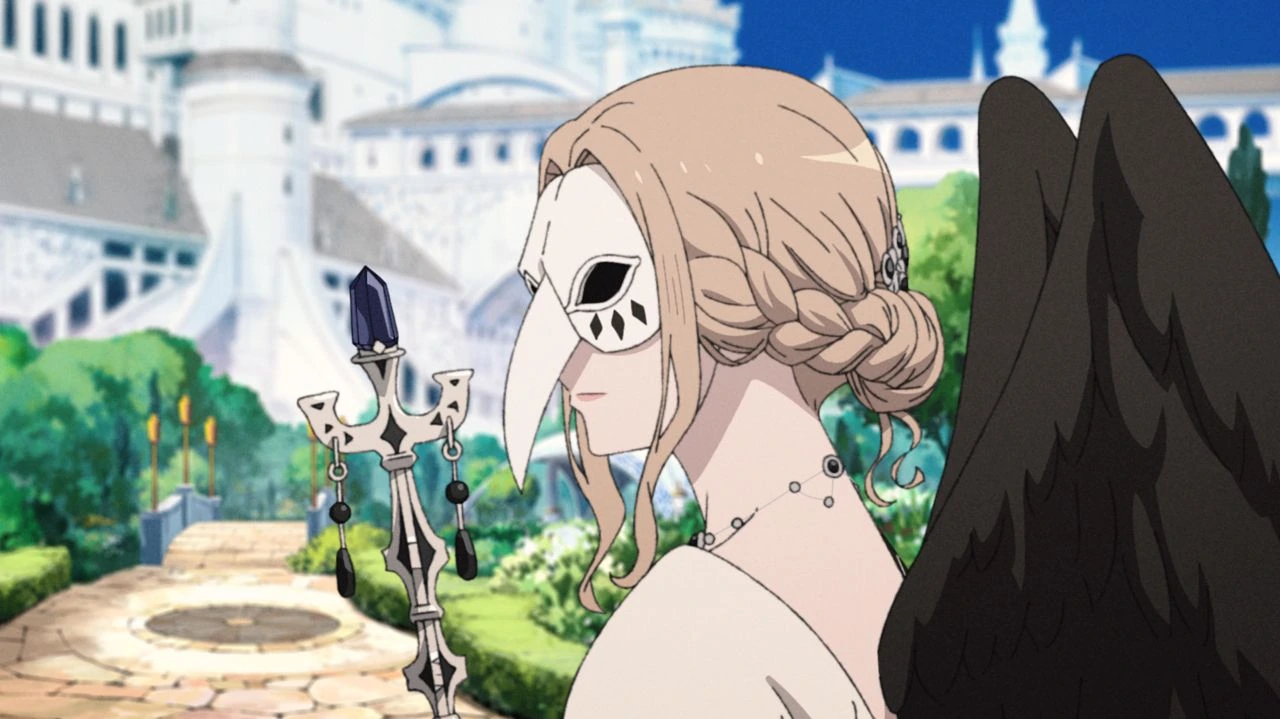
Arumanfi matters because viewers have already seen him long before this arc. In Season 1, he investigates the huge mana anomaly that precedes the Fittoa Teleportation Incident. Perugius' network was touching Rudeus' story before Rudeus ever entered the fortress.
The familiars are therefore more useful to understand as an extension of Perugius' reach than as a collection of strong subordinates. They let him investigate unusual events and act at a distance while maintaining his base aboard the Chaos Breaker.
That fits his reputation as a summoning specialist and makes the twelve familiars part of a centuries-long surveillance structure.
Chaos Breaker also represents Perugius' independence
When Rudeus and the others enter the fortress, they step into the domain of someone whose authority does not depend on a school, guild, or kingdom.
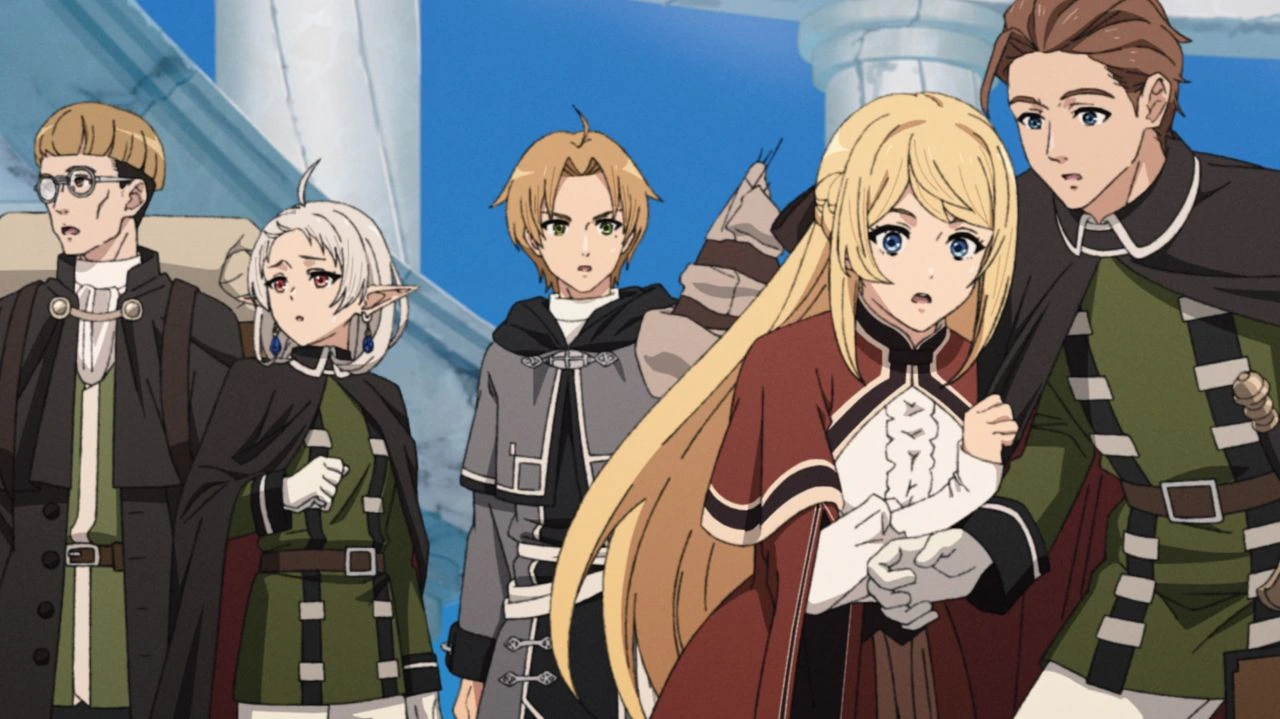
Perugius combines historical prestige, rare knowledge, and political independence. That explains why he can operate outside the institutions that shape the lives of younger characters.
The Chaos Breaker is therefore more than a new backdrop. It makes Perugius' position visible. He receives visitors on his own terms, commands a network of familiars, and observes the world from a perspective measured in generations rather than school terms or royal elections.
Season 3 uses that shift to expand the scale of the series. Ranoa showed Rudeus how much knowledge existed beyond his early training. The Chaos Breaker shows him a layer of authority far older than the academic world he has grown comfortable with.
Why does Rudeus meet Perugius now?
Episode 8 gives the meeting a concrete purpose. The official synopsis for “The Flying Fortress” says Rudeus is looking for a way to help Zenith and receives an audience with Perugius through Nanahoshi.
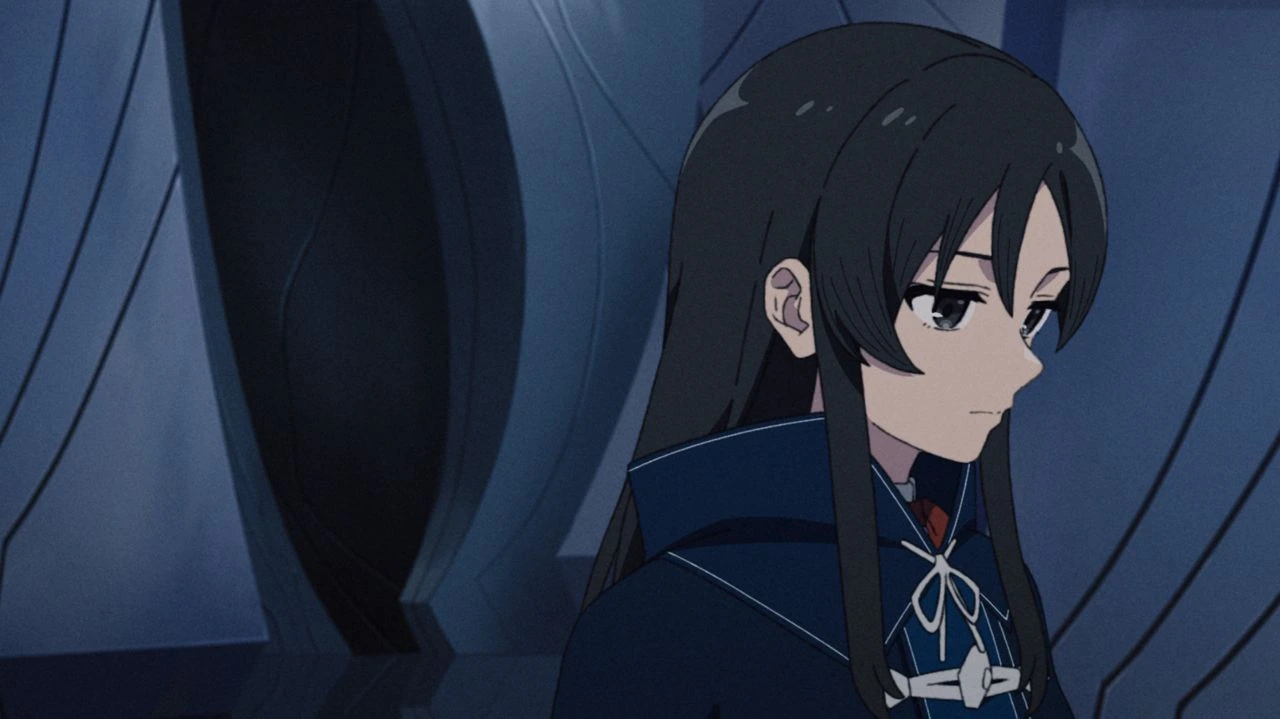
That keeps Perugius from feeling like a character introduced merely to raise the power ceiling. Rudeus reaches him because he has hit the limit of what his current knowledge can solve.
The meeting joins two different scales of the story: an intimate Greyrat family problem and a figure whose responsibilities were born from a war centuries ago.
Perugius was already connected to Rudeus' story in Season 1
Long before the Chaos Breaker became the center of an arc, Perugius' network had already touched Rudeus' life. When the enormous mana concentration appears over Fittoa, Arumanfi is sent to investigate it.
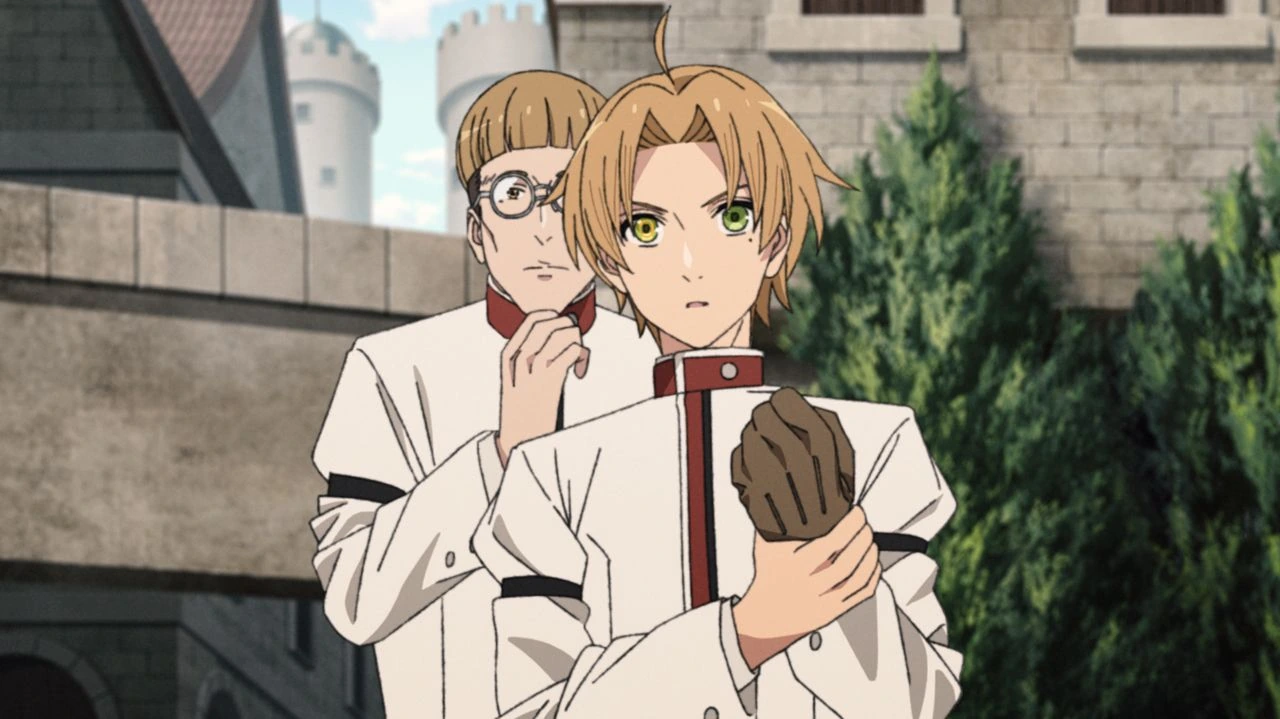
That earlier connection makes Perugius' formal introduction feel less abrupt. The anime is not inventing an ancient hero out of nowhere for Season 3. It is bringing forward someone whose surveillance was already linked to one of the biggest disasters in Rudeus' life.
It also communicates his scale better than another “who is stronger” debate. Rudeus spends much of his life reacting to the consequences of enormous events; Perugius has spent centuries watching for signs that one of those events may happen again.
Laplace is why Perugius never became just a legend
Sealing Laplace could have left Perugius as a name in a history book. The expectation that Laplace will return keeps his role open in the present.
His familiars, the Chaos Breaker, and his summoning expertise all point toward the same idea: Perugius built his postwar life around the possibility that he would have to confront that danger again.
Rudeus arrives looking for an answer to a personal problem, but he meets someone who thinks on a much larger timescale. That is what makes Perugius compelling now. To most of the world, the Laplace War is history. To Perugius, it is still unfinished responsibility.

Sobre o autor
Caio Vinicius
Fundador do site e o tipo de pessoa que sempre tem um anime na lista pra começar “só mais um episódio”. Curto cultura pop, novidades da temporada e tudo que envolve esse universo top.
View all articles →