
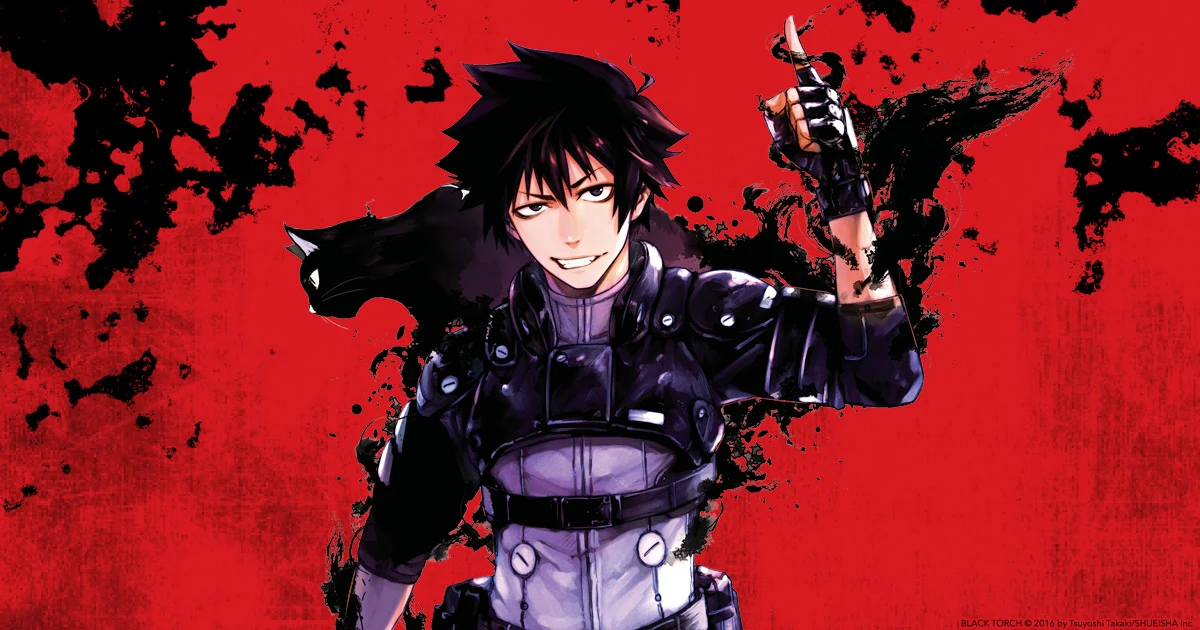
That makes the Black Star of Doom label much more interesting. Earlier episodes make it easy to picture a legendary mononoke who was so dangerous that humans somehow defeated and contained him. Rago's past flips that assumption. He was powerful enough to be coveted by both sides, yet one of his most consequential acts was removing himself from the conflict entirely.
Rago was not captured — choosing the seal is the reveal
Episode 5 takes Jiro and Reiji into the underground area connected to the stone where Rago had been sealed for years. At that point, knowing that Rago was once a prisoner is not the same as knowing how he got there. Fuyo's training in episode 6 supplies the missing piece: Rago put himself into that sealed state.
The Lotus of Madness traps Jiro, Ichika, and Reiji in an illusion-like space designed to force them to face what they carry inside. Ichika and Reiji confront personal trauma. Jiro, meanwhile, comes face-to-face with an enormous black figure connected to Rago's lost memories. That is how Amagi stops being merely a current threat and becomes part of Rago's much older history.
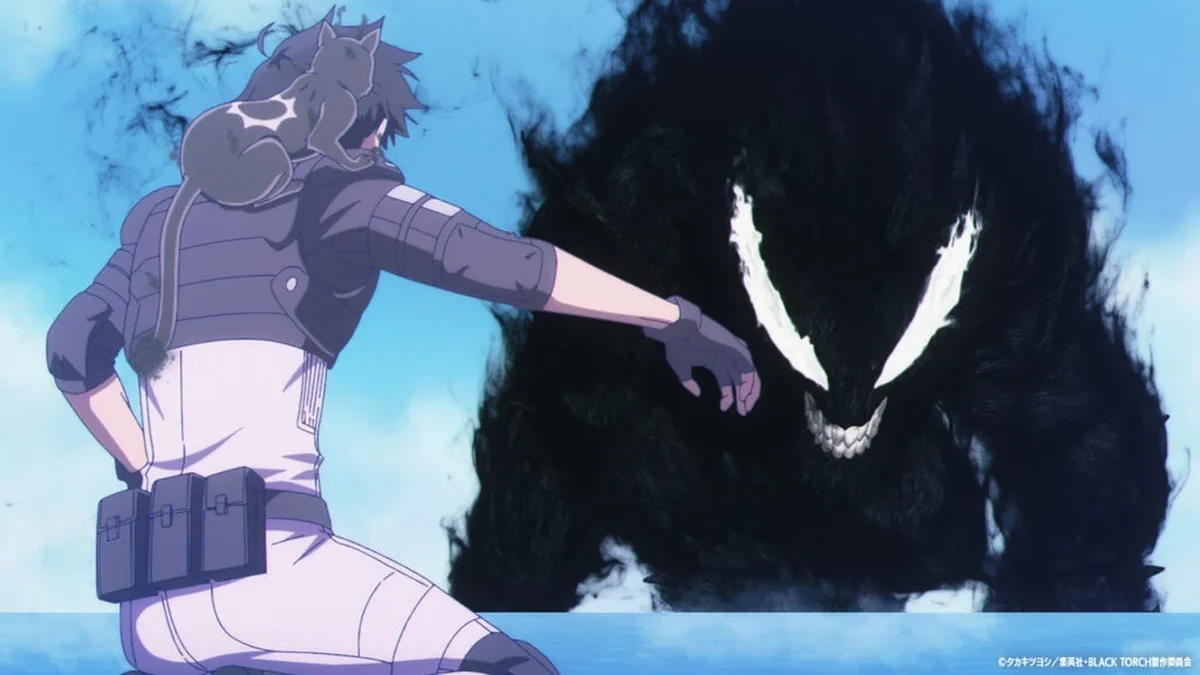
VIZ's official description for volume 3 pins down the core of that memory: in the Edo period, Amagi tried to recruit allies to fight the newly formed Oniwabanshu, and Rago refused to join him. That order matters. The road to Rago's seal does not begin with humans defeating him. It begins with Rago rejecting another mononoke's plan to turn overwhelming power into an army.
Amagi wanted Rago's strength to belong to his war
Amagi treats the creation of the Oniwabanshu as a reason to rally powerful mononoke and strike back. Rago does not accept that premise. The flashback is stronger because it does not need to turn Rago into a spotless champion of humanity. His position is simpler and more personal: Amagi does not get to decide what Rago's power is for.
That refusal also explains Amagi's fixation. Rago is not just another strong ally he failed to recruit. He is a source of power Amagi believes his cause needs, combined with a will that refuses to fall into line. Once persuasion fails, the relationship stops looking like recruitment and starts looking like coercion.
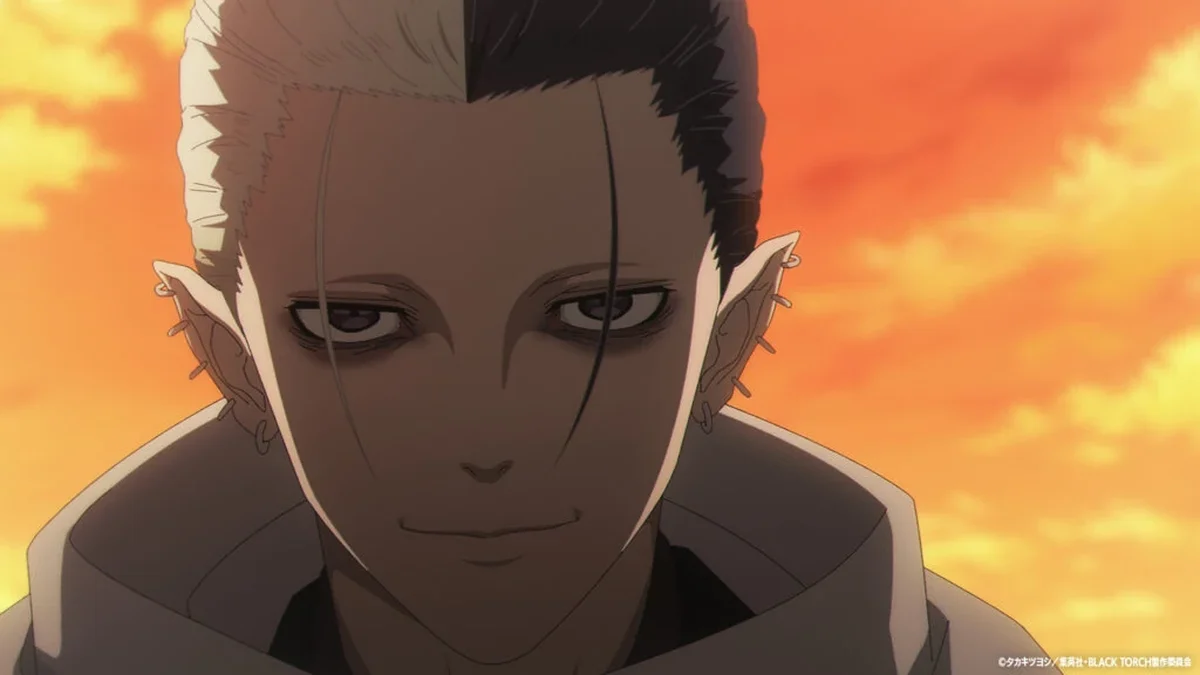
This is where Rago's reputation gains a second edge. The Black Star of Doom is frightening because of the damage he can cause, but Amagi faces a different problem too: Rago chooses for himself. He can help, refuse, or walk away even when everyone around him thinks power on that scale must belong to a side.
The village turns a power struggle into something personal
In the past, Rago was tied to a village that regarded him as a protective presence. When Amagi tries to drag him into the coming war and violence reaches the people around Rago, the disagreement stops being an abstract clash between two powerful mononoke. People who never chose that war end up paying for it.
Rago seals himself after that disaster. In the most literal sense, it is a retreat: he takes himself off the board instead of continuing to be pulled between Amagi, the Oniwabanshu, and anyone else who might want his power. Calling it simple cowardice, though, misses the order of events. Rago had already said no before he sealed himself. The self-imposed prison is that refusal taken to its most extreme form.
There is also room to read guilt into the choice. Rago cannot undo what happened to the village, and remaining the most valuable piece in the conflict means accepting that more people could be used to get to him. It helps to keep canon and interpretation separate here: the story establishes the voluntary seal after the tragedy; the idea that it works as self-exile, guilt, and rejection of Amagi's war is the interpretation most strongly supported by how the memory is framed.
Sealing himself was one thing Rago could still control
Rago cannot force Amagi to abandon his plans. He cannot make human authorities stop fearing him, and he cannot guarantee that other mononoke will stop hunting for his power. What he can control is whether that power remains available to them. By sealing himself away, Rago turns the prize everyone wants into something they cannot simply deploy.
That choice becomes much more revealing when placed next to the beginning of the series. Centuries later, Rago wakes up injured in the form of a black cat and meets Jiro. Jiro helps him before he understands who Rago is or what he could gain from him. Their relationship begins in the exact opposite direction from Amagi's proposal: trust comes first; power comes later.
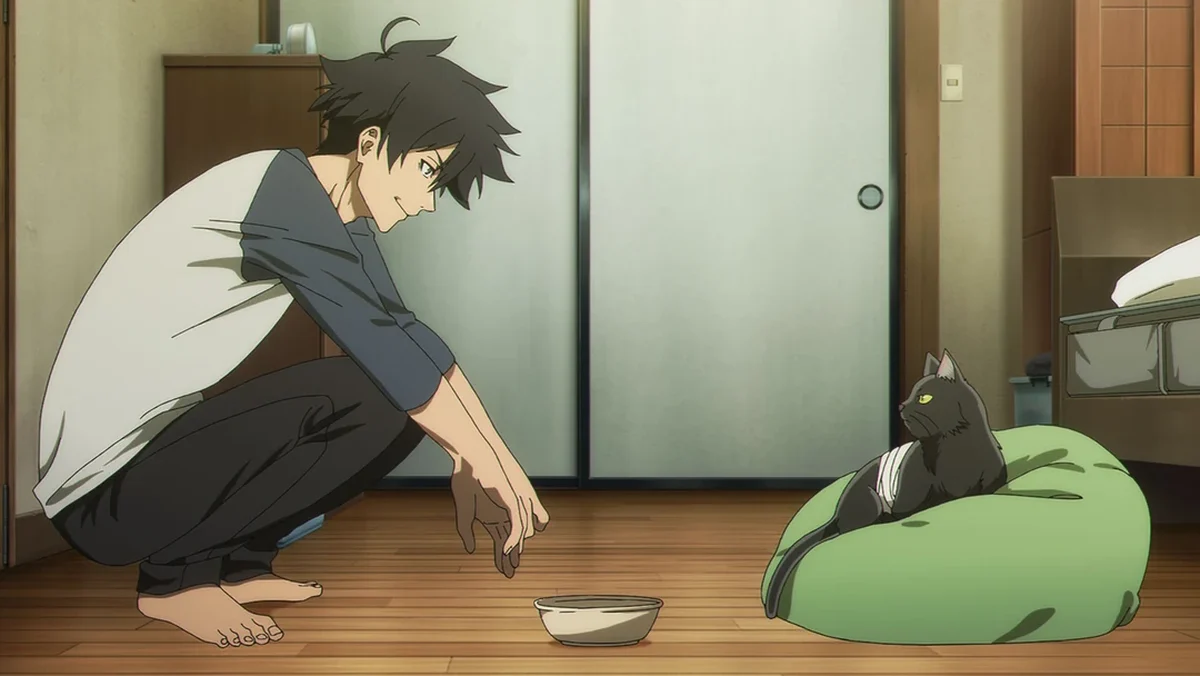
When Jiro dies protecting him, Rago makes another extreme choice and fuses with the boy to save his life. Episode 6 adds a new layer to that origin. Rago does not share his power because Jiro overpowered, tamed, or commanded him. He does it because Rago chooses Jiro.
Jiro is the relationship Amagi could never force
Amagi looks at Rago and sees a weapon his war requires. Jiro finds an injured cat and sees someone who needs help. One relationship begins by assigning a purpose to Rago's strength; the other begins before Jiro even knows that strength exists.
Jiro obviously benefits from the fusion. He gains access to supernatural power and immediately becomes a target for both the Bureau and mononoke hunting Rago. But the fusion never erases Rago's will. Their partnership works because two separate intentions keep cooperating, not because Jiro has converted Rago into obedient equipment.
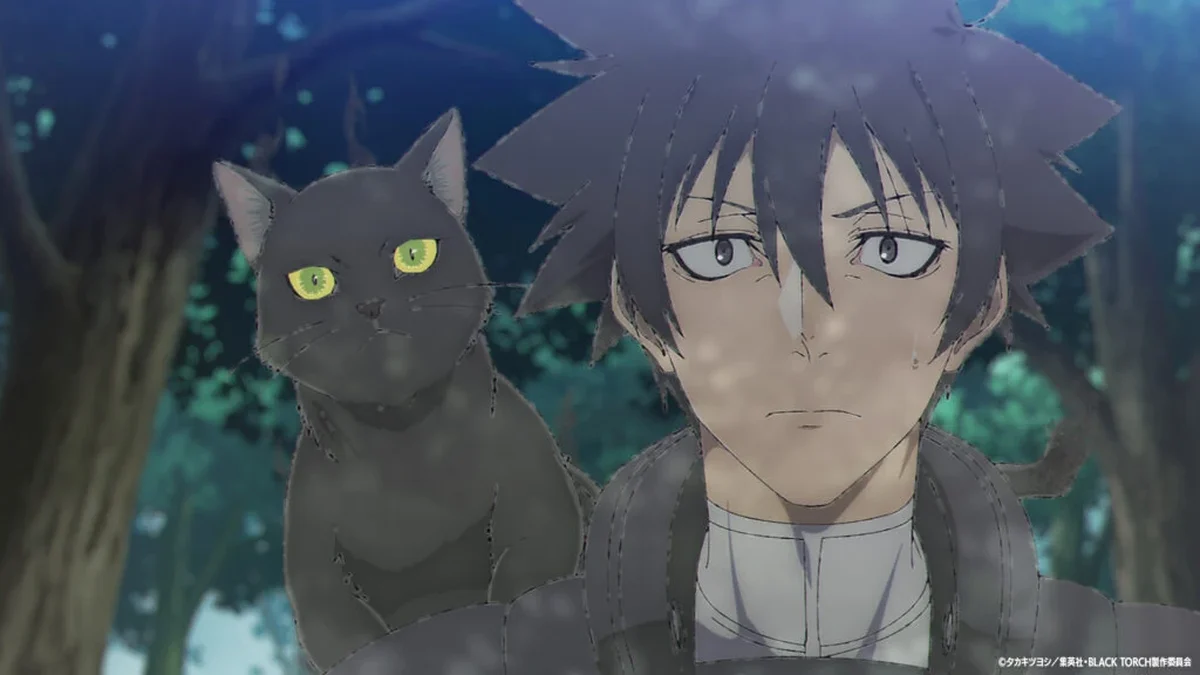
That creates a good irony in the current story. Human authorities worry about whether Jiro can control Rago, while Rago's past demonstrates that trying to define and control him by force is exactly what made cooperation impossible in the first place. Jiro and Rago work because Jiro does not need to erase the mononoke's agency to fight beside him.
The Lotus of Madness changes what “Black Star of Doom” means
Fuyo's trial is not only a combat test. It makes each member of the trio face something that changes how they understand themselves and one another. For Jiro, learning Rago's past means discovering that his partner has already lived through a situation where simply possessing extraordinary power made the people around him targets.
That makes Rago's title less one-dimensional too. “Black Star of Doom” still fits a being whose strength can pull entire conflicts toward him. But episode 6 draws a distinction that matters: the ability to destroy is not the same as the desire to destroy. Rago has been feared as a calamity and pursued as a weapon, yet one of the choices that defines him best was choosing absence over accepting somebody else's purpose for his strength.
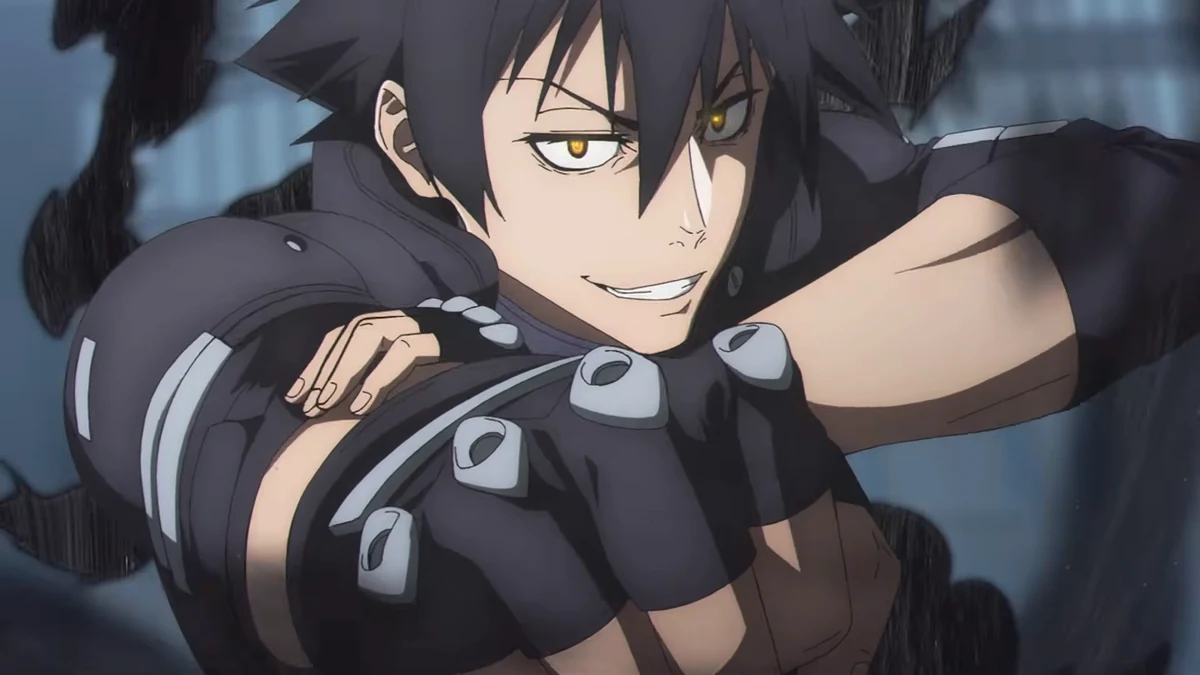
So Rago's self-sealing is not just lore explaining where he was before he met Jiro. It establishes a character rule that is still active in the present: Rago may be the strongest presence in the room, but he insists on deciding who gets to rely on that power and on what terms. Amagi tried to turn strength into obligation and got a refusal. Jiro earned Rago's trust before he even knew there was power to earn. That contrast is what makes the episode 6 flashback matter far beyond the flashback itself.

Sobre o autor
YoruNeko
Dono e criador do site. Sou apaixonado por animes, cultura pop e tudo que entra no radar geek — de lançamentos da temporada a clássicos que sempre valem um replay.
View all articles →