
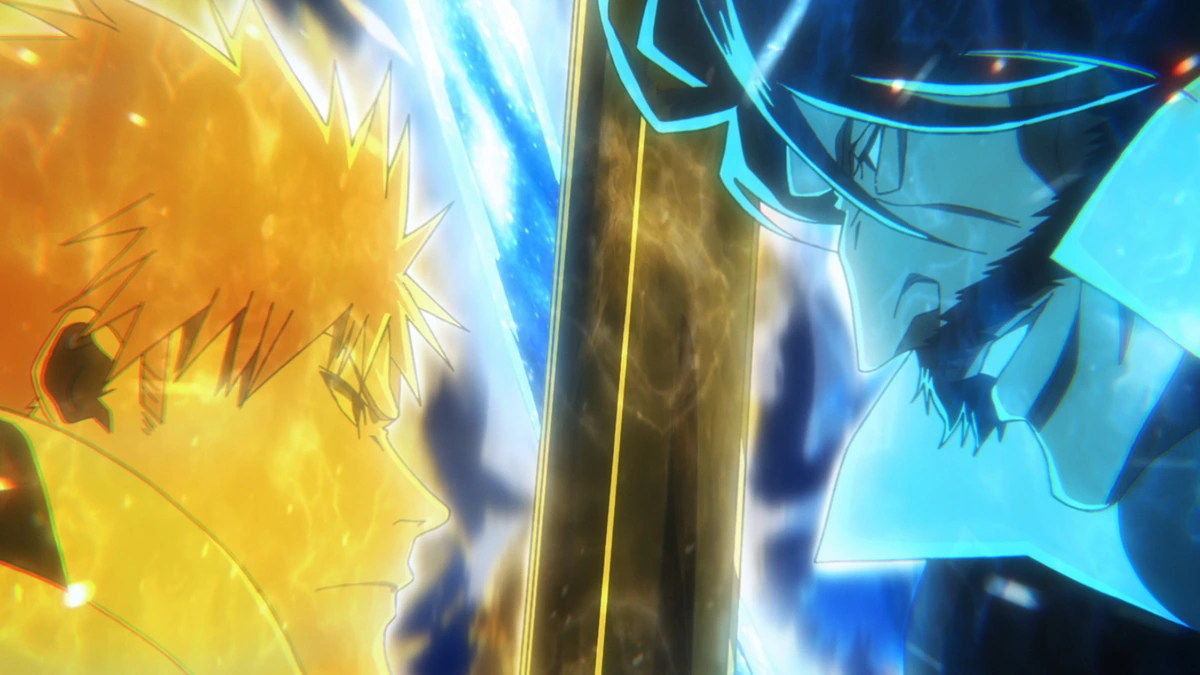
That distinction resolves one of Bleach’s biggest oddities. For much of the story, Old Man Zangetsu acts like a mentor, teaches Ichigo how to fight, and occupies the role viewers expect from a Zanpakutō spirit. Once the Thousand-Year Blood War finally explains Ichigo’s heritage, his resemblance to Yhwach stops looking like coincidence and becomes a clue that had been sitting in front of us all along.
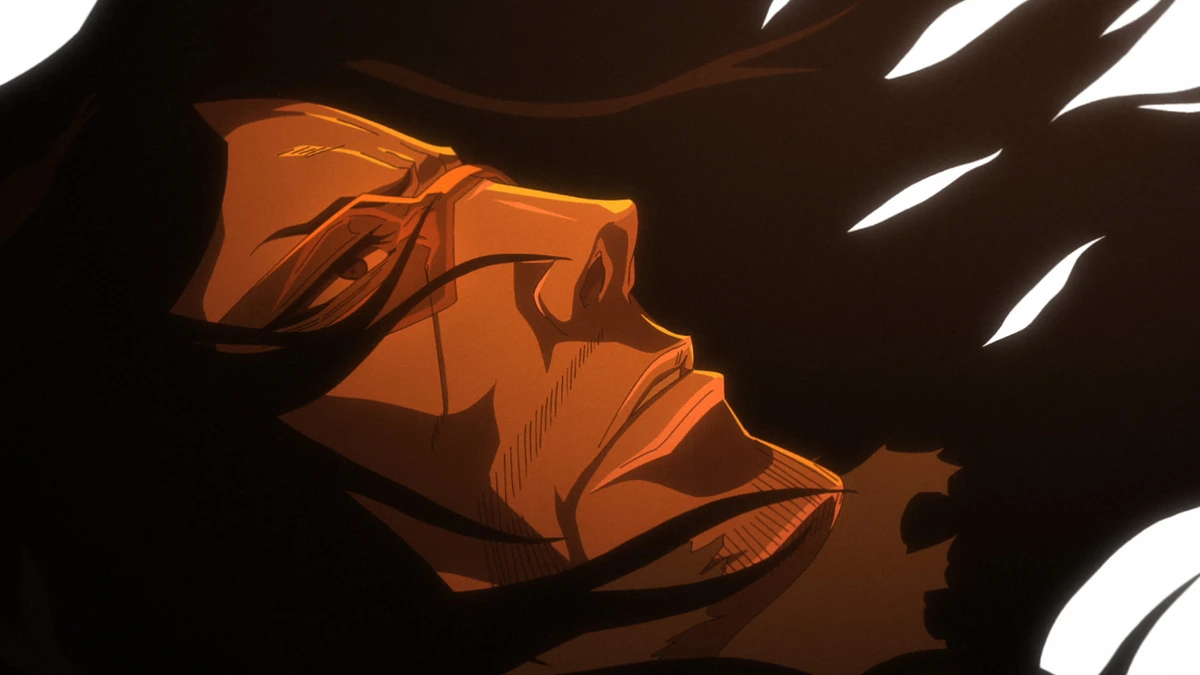
Old Man Zangetsu was not Yhwach living inside Ichigo
This is the part that causes the most confusion. Old Man Zangetsu is not a conscious clone of Yhwach, and he is not a secret agent planted inside Ichigo by the Wandenreich leader. He is the personification of Ichigo’s Quincy power. Yhwach’s appearance is the form that inheritance takes when it is given a face and voice in Ichigo’s inner world.
 Bleach: Why Do Three Squad Zero Members Have to Die to Release a Bankai?
5 min read
Bleach: Why Do Three Squad Zero Members Have to Die to Release a Bankai?
5 min read
That is why the old man can develop his own will toward Ichigo. He guides him, disagrees with him, and even tries to limit his growth as a Soul Reaper. If this were simply Yhwach remotely controlling Ichigo, much of that behavior would contradict itself. What exists inside Ichigo is a piece of his own soul shaped by his Quincy heritage, and that piece forms its own relationship with him.
The reveal works precisely because it does not turn years of training into a cheap fraud. Old Man Zangetsu hid what he was, but the bond he formed with Ichigo was not fake.
Why does Ichigo’s Quincy side take Yhwach’s face?
Yhwach is introduced in the Thousand-Year Blood War as the “father of all Quincies.” Ichigo’s Quincy power does not appear from nowhere: it comes through Masaki’s bloodline and belongs to a spiritual lineage whose origin is tied to Yhwach. When that power manifests inside Ichigo, it carries the image of the figure at the root of that lineage.
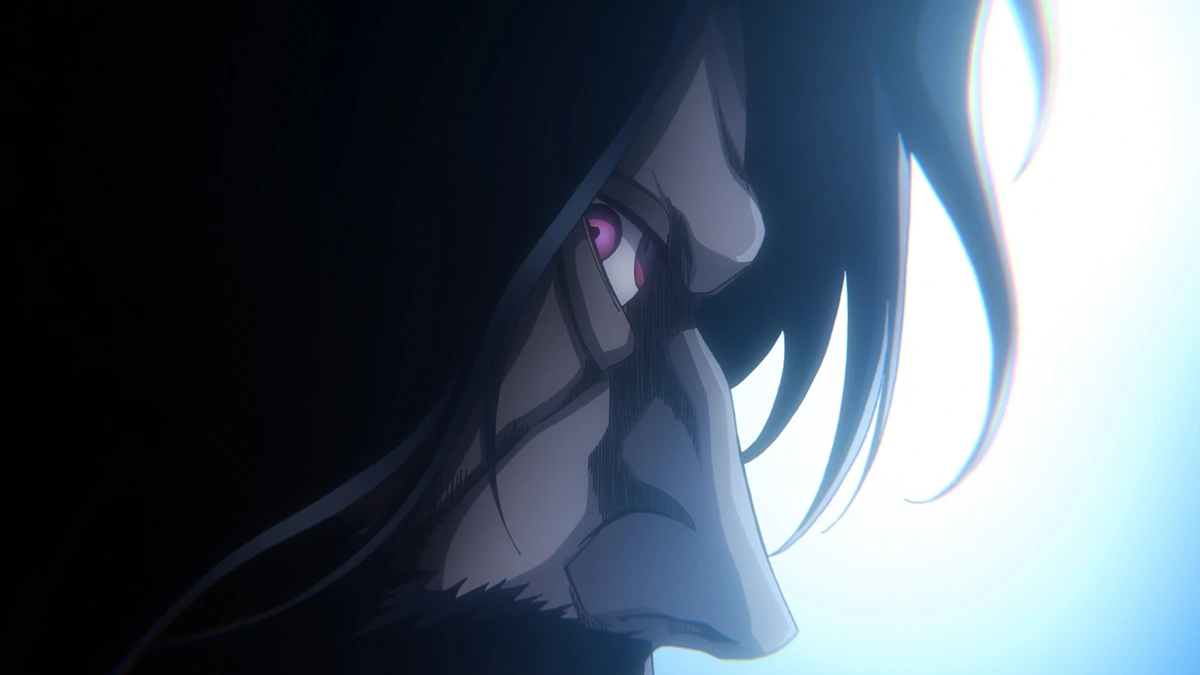
That also explains why the resemblance is so specific. Old Man Zangetsu does not merely share a few vague features with Yhwach. The reveal lands because Ichigo realizes that the man who has always occupied his inner world bears the face associated with the Quincy enemy. The shock depends on the connection being intentional.
The cruel part is that Ichigo’s inner mentor had always worn the face of the man who would eventually stand at the center of the Quincy war. Before Yhwach entered the story, that face simply looked like Zangetsu’s design. Afterward, the same image means something completely different.
Masaki is the piece that makes the connection possible
Ichigo can manifest a Quincy side because his mother, Masaki Kurosaki, was a Quincy. The story of Masaki, Isshin, and the Hollow White makes it clear that Ichigo’s origin was never purely Soul Reaper. He is born from an unusual combination of human, Soul Reaper, Hollow, and Quincy powers.
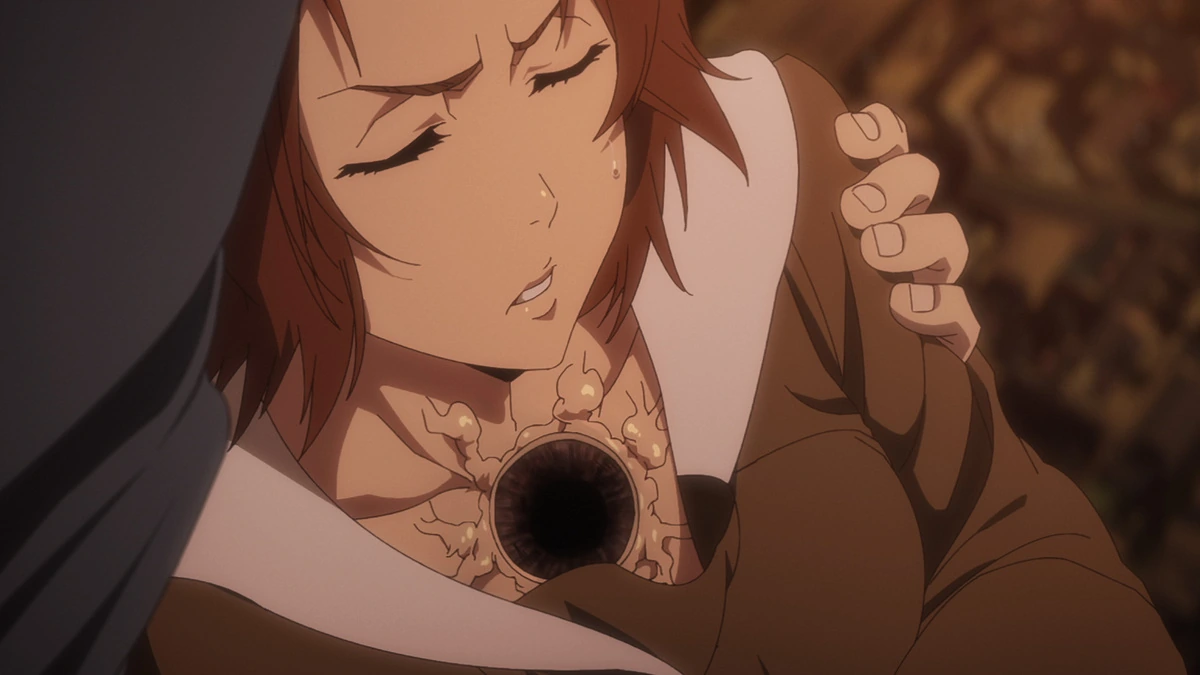
That mixture is essential to understanding Zangetsu. The Quincy side inherited from Masaki is not stored in a separate compartment that Ichigo opens only when he uses a Quincy technique. It has been part of his spiritual makeup from the beginning. In the same way, White becomes intertwined with the Soul Reaper power Ichigo inherits through Isshin.
That is why “The Blade Is Me” works better as an identity reveal than a simple power explanation. Ichigo does not suddenly receive a new origin. He finally understands pieces that have always been there. Old Man Zangetsu looking like Yhwach is the visible consequence of that hidden inheritance.
So who was the real Zangetsu?
The short version is that the white Hollow inside Ichigo was tied to the core of his Soul Reaper and Zanpakutō power, while Old Man Zangetsu represented his Quincy side. But stopping there creates a second misunderstanding: after learning the truth, Ichigo does not treat the old man as a disposable presence that never mattered to Zangetsu.
Ōetsu Nimaiya forces Ichigo to confront the issue because a Zanpakutō requires self-knowledge. It is not enough to swap two labels and say “this one was fake, that one was real.” Ichigo has to recognize that the forces he spent his life separating — Soul Reaper, Hollow, and Quincy — all belong to the same person.
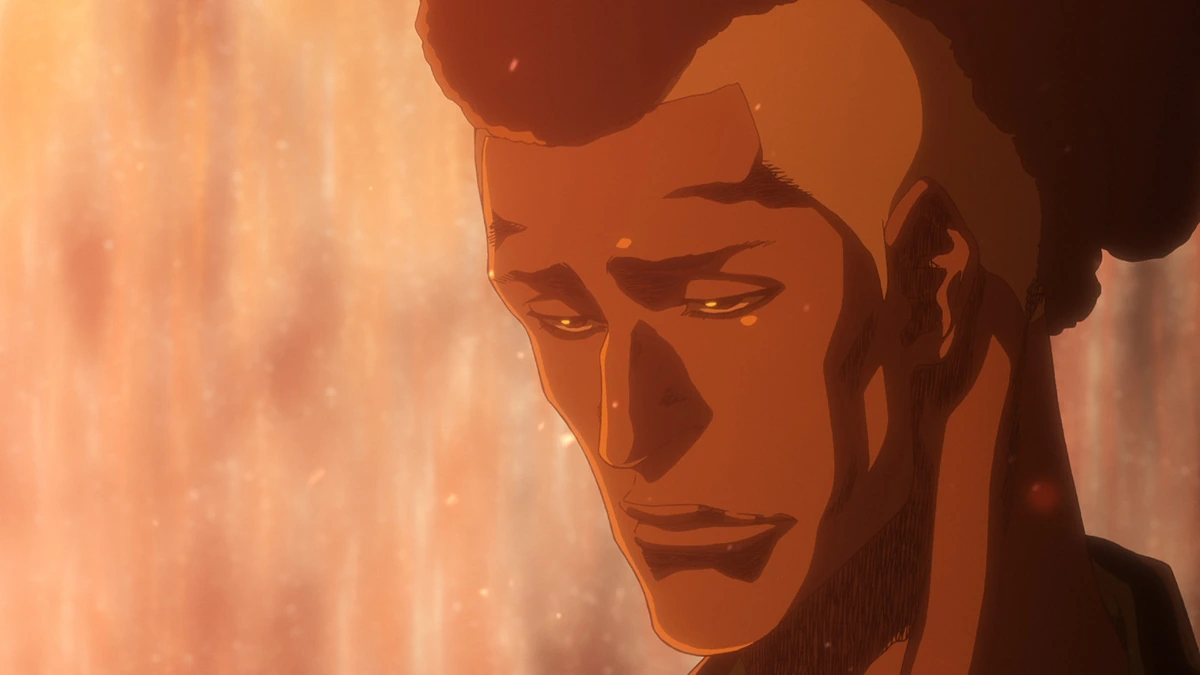
That is also why calling the old Tensa Zangetsu “completely fake” oversimplifies what happened. Ichigo genuinely fought with power, developed techniques, and built a relationship with what he called Zangetsu. What he lacked was an understanding of where each part of that power came from and how much of it he was actually reaching.
Why did Old Man Zangetsu suppress Ichigo’s power?
Old Man Zangetsu admits that he wanted to keep Ichigo away from the path of a Soul Reaper. To do that, he suppressed much of the power coming from Ichigo’s Soul Reaper/Hollow side and allowed only a portion of it through. His goal was not to prepare Ichigo to serve Yhwach. In his own misguided way, he was trying to protect him from the fate he believed came with living as a Soul Reaper.
That changes the meaning of the early series. The man who seemed to be unlocking Ichigo’s potential was also the one keeping a door partly closed. Yet as Ichigo keeps fighting and refusing to back down, the old man gradually helps him more and more.
That contradiction is what makes him interesting: he is both an obstacle and a mentor. Both statements are true. Calling him an “impostor” does not quite fit, because his attempt to restrain Ichigo comes from his own desire to preserve him, not from a plan to destroy him.
Bleach had already left clues before “The Blade Is Me”
The twist is not completely disconnected from what came before. Ichigo’s inner Hollow repeatedly shows that he understands Zangetsu in ways Ichigo does not. In moments of extreme danger, that Hollow side takes control and keeps Ichigo alive. Viewers were trained to see it as an invading force, but those scenes read very differently once we know it was tied to the core of his Zanpakutō.
Old Man Zangetsu also never behaves exactly like a conventional sword spirit. His control over the inner world, his relationship with the Hollow, and the way he regulates how much power Ichigo can reach all suggest that another layer is present. Before Yhwach appeared, the audience simply lacked the piece needed to recognize the face.
It is one of those reveals that gets better on a second pass. Once Yhwach is known, old scenes and lines that once felt merely mysterious start functioning as signs of an origin Ichigo had not yet discovered.
What changes when Ichigo accepts both sides of Zangetsu?
The point of “The Blade Is Me” is not for Ichigo to expel Old Man Zangetsu. It is for him to stop treating his own origins as incompatible forces. His new Zanpakutō emerges after he accepts that the Quincy power represented by the old man and the power tied to his Hollow/Soul Reaper side both belong to him.
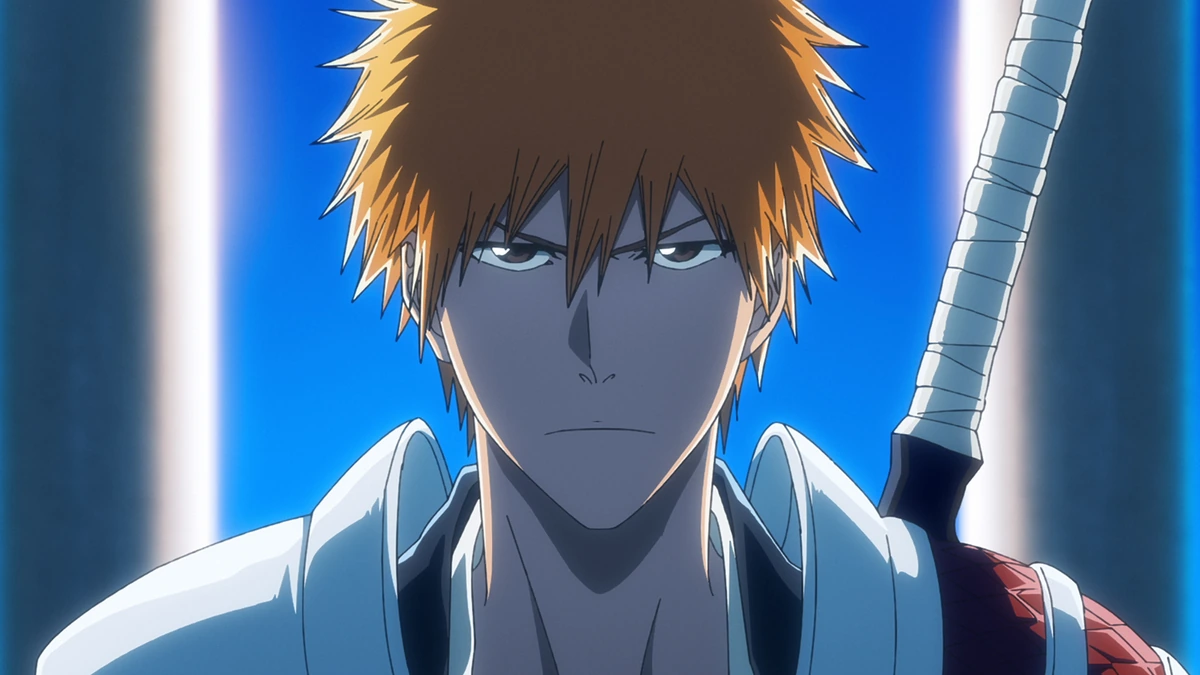
Later, when Ichigo faces Yhwach while carrying his two Zangetsu, the image closes that arc neatly. He does not confront the “father of the Quincies” by pretending his own Quincy blood does not exist. He faces Yhwach only after incorporating that heritage into his identity.
So the resemblance between Old Man Zangetsu and Yhwach is more than a visual trick built for a surprise. It sums up Ichigo’s entire conflict with his origins. For years he called a figure he did not understand Zangetsu; when he finally learns the truth, the answer is not to reject that figure, but to understand that even the part of himself connected to his enemy had always been his own.

Sobre o autor
Caio Vinicius
Fundador do site e o tipo de pessoa que sempre tem um anime na lista pra começar “só mais um episódio”. Curto cultura pop, novidades da temporada e tudo que envolve esse universo top.
View all articles →